From the Classroom to the Cattails: Burlington's Neufeld Debuts Beaver Exhibit in Concord
‘Nature’s engineers’ are getting their time in the spotlight — The OARS-sponsored exhibit runs from April 24-May 24.
Burlington resident Phyllis Neufeld spent 40 years teaching elementary school in Lexington. When she retired in 2015, she was looking for something that would bring the same sense of purpose into her next chapter.
“I was looking for something to give me that same passion,” Neufeld said.
She found it in wildlife photography — and today, she is preparing to open a month-long exhibition celebrating one of her favorite subjects.
Neufeld and three other local photographers and environmentalists will debut the Beaver Life Photography Exhibit on April 24 at Wright Tavern in Concord, MA – a showcase dedicated to rethinking how people see beavers.
Often cast as nuisances, beavers are North America’s largest rodent. But scientists describe them as a keystone species with an outsized role in shaping healthy ecosystems. By building dams, they create wetlands, slow erosion, and help reduce flooding.
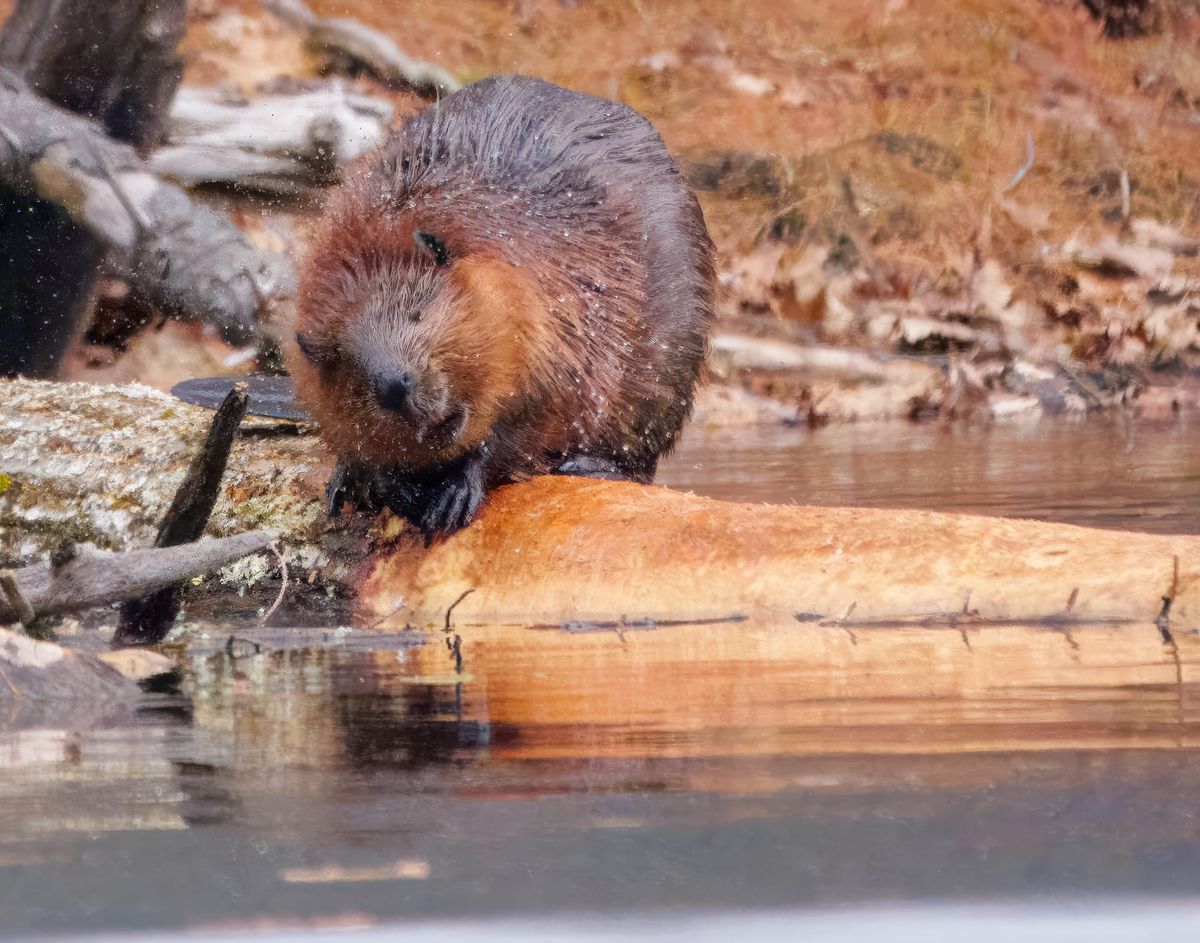
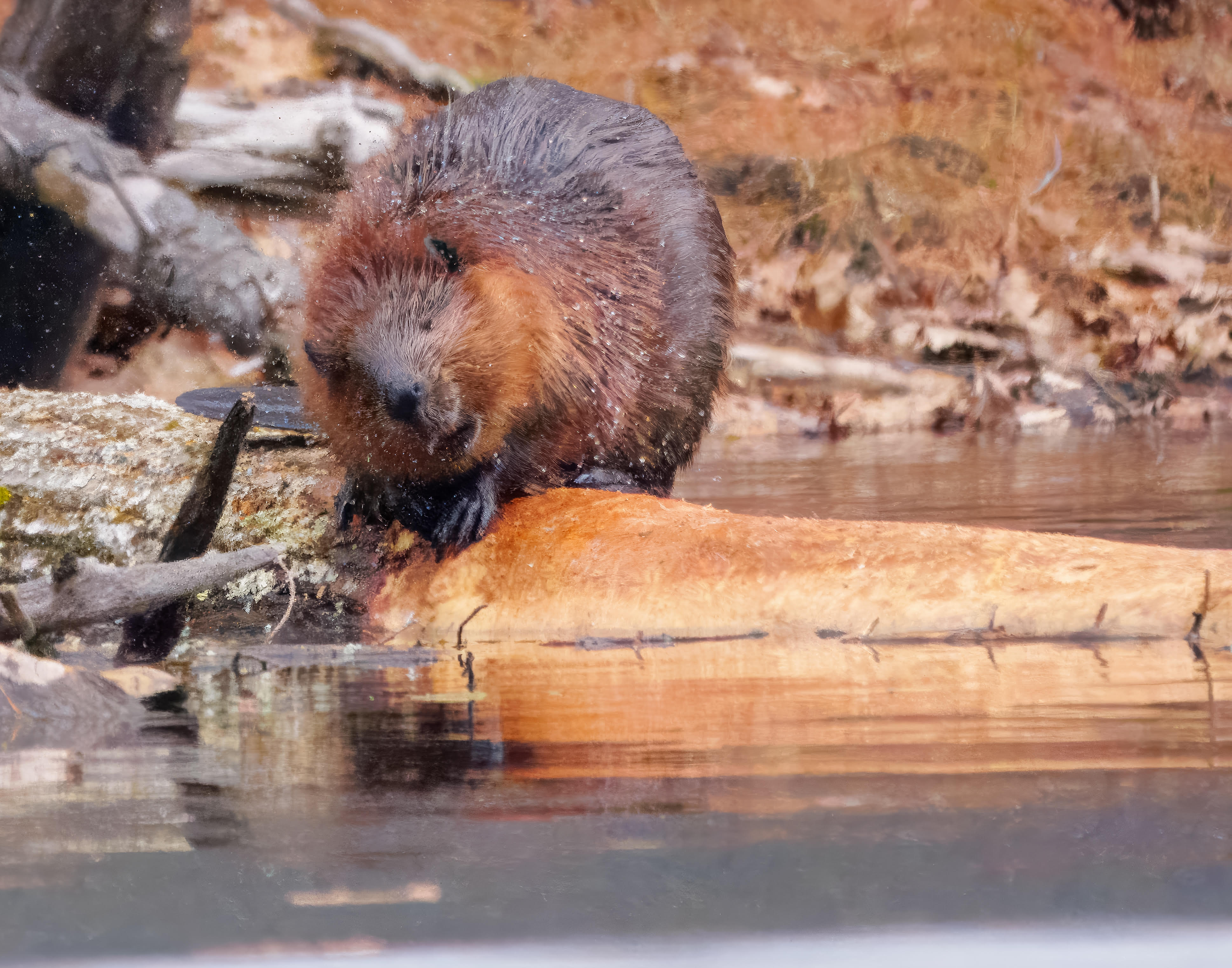
The exhibit, on view until May 24, features intimate images of beaver life, from lifelong mating pairs to kits learning to swim, build dams and lodges, and avoid predators.
An opening reception is scheduled from 5:00 to 7:00 PM on April 24, and then on April 25 from 11:00 AM to 4:00 PM, visitors can meet the photographers during a “Beavers and Beer” event at the Wright Tavern Beer Garden.
Hosted by the Organization for the Assabet, Sudbury, and Concord Rivers (OARS) as a part of its 18th annual Wild & Scenic Film Festival, the exhibit aims to raise awareness about the importance of beavers as a keystone species.
One of the species’ most significant ecological contributions is creating wetlands. “The wetland habitats beavers create support incredible biodiversity, contributing to lively ecosystems,” said Grace Bellavance, community engagement coordinator for OARS.
Following European settlement, over half of the wetlands in the lower 48 states were lost. The good news for Massachusetts residents is that beavers have become abundant throughout most of the state, with local photographers spotting colonies of them in ponds in nearby Lincoln and Concord.
Even if people do not often see the animals themselves, their presence is often evident.
“People often see the product of a beaver's work — a beaver dam, lodge, or pond, or a chewed tree trunk — before seeing the somewhat elusive creature itself,” said Bellavance.
The four women behind the exhibit come from different backgrounds, but they share a common goal: highlighting the importance of beavers to our environment.
Concord resident Jean Fain, a practicing psychotherapist and former freelance journalist, said she once found photography intimidating.
When cell-phone cameras came along, making it much easier to snap a photo, the image of being a photographer wasn’t so blurry anymore. Fain decided to overcome her fears and trade her pen for a camera.
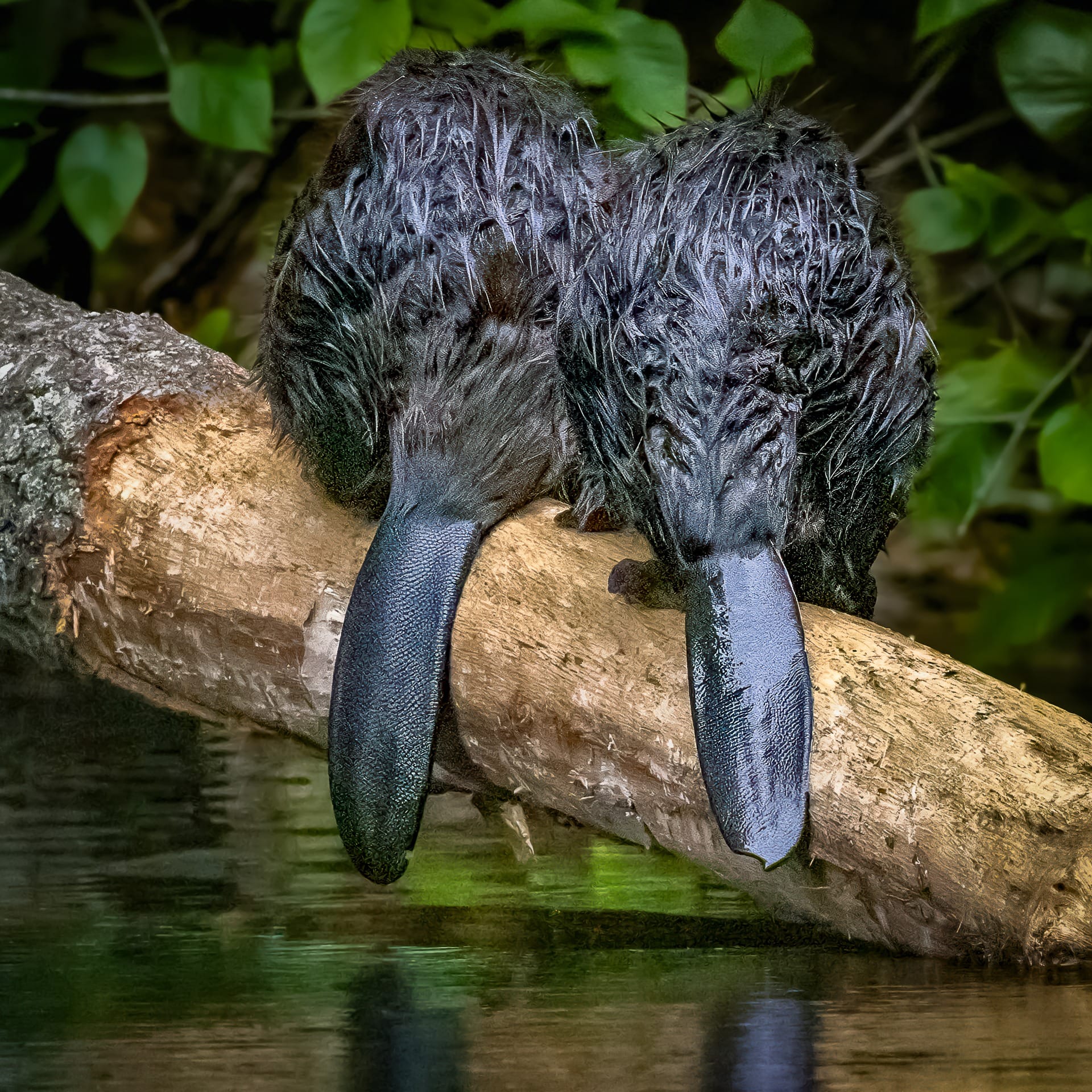
After discovering a large amount of beavers at Mount Misery in Lincoln, MA, Fain became hooked.
“Their behavior is just fascinating,” Fain said. Eventually, Fain invited her photography club colleagues to join her in photographing the creatures and their habits.
During their hours spent watching the beavers, the photographers have learned a lot about the species. Did you know that beavers’ lodges act as a nesting place? Inside the lodge, which they enter via an underwater tunnel, the beavers maintain separate feeding and nesting rooms.
For Nicole Mordecai of Weston, her start in photography came suddenly: when her daughter’s high school soccer team was in need of a team photographer. Today, she works as a professional photographer.
Mordecai was specifically drawn to the beavers after watching a nature documentary called Leave it to Beavers.
“They’re a lot cooler than I even thought," Mordecai said.
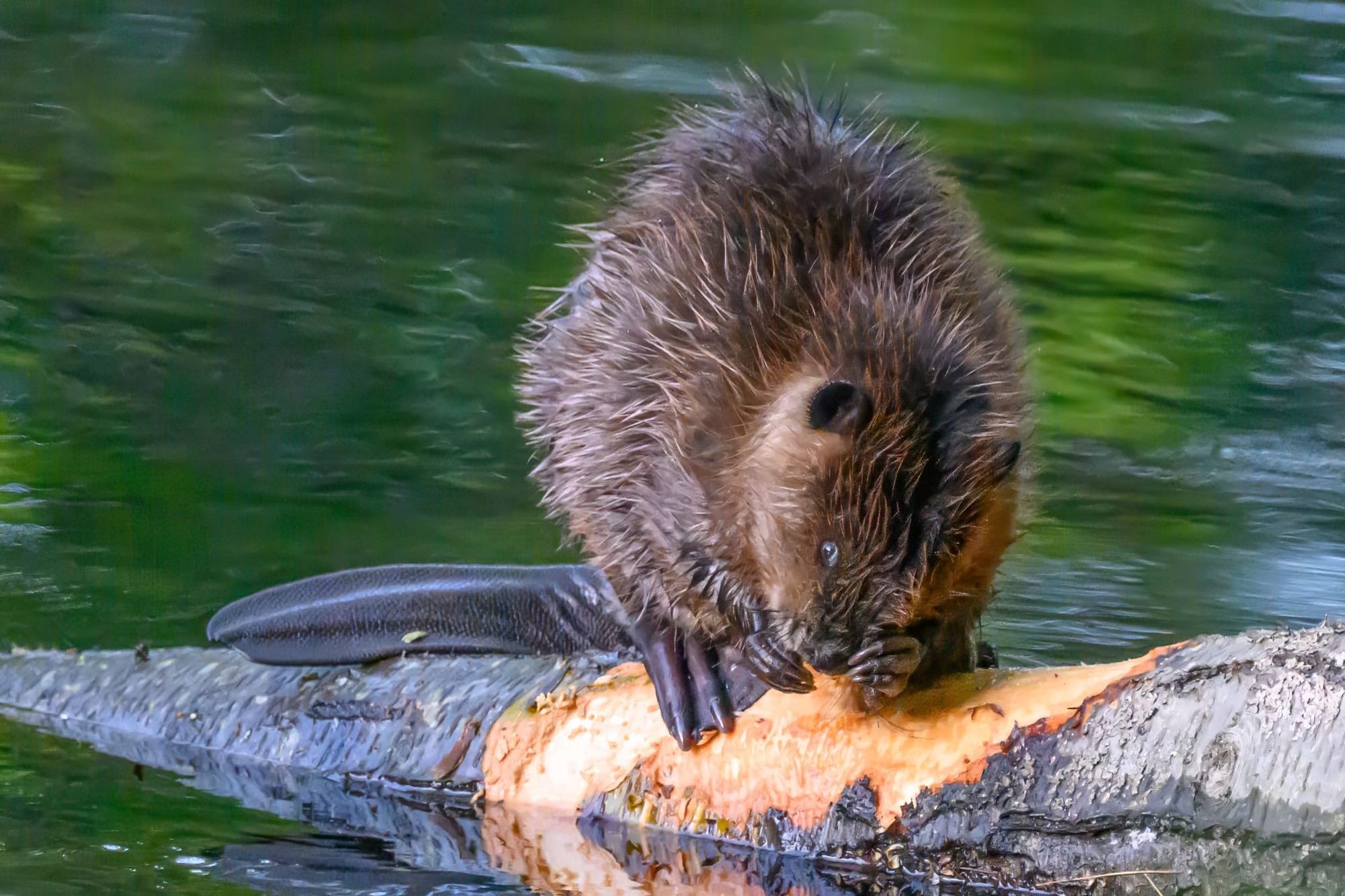
Photographs from local wildlife photographer Barbara Peskin will appear in the exhibit alongside the work of Neufeld, Fain, and Mordecai.
For these photographers, getting the perfect shot is far from easy.
The process of photographing these animals starts at dusk — the best time to locate what part of the pond the animals are in. From then on, the observers wait patiently, sometimes for hours, until the perfect moment strikes.
“Photography takes pictures of moments in time,” Neufeld said. “And when you start doing that, the moments grow.”
Neufeld's nature photography is featured in the Daily Buzz newsletter each Sunday. Sign up here.
Stephanie Moreau is a student at Endicott College studying journalism. This story was published in partnership with the Massachusetts News Service.
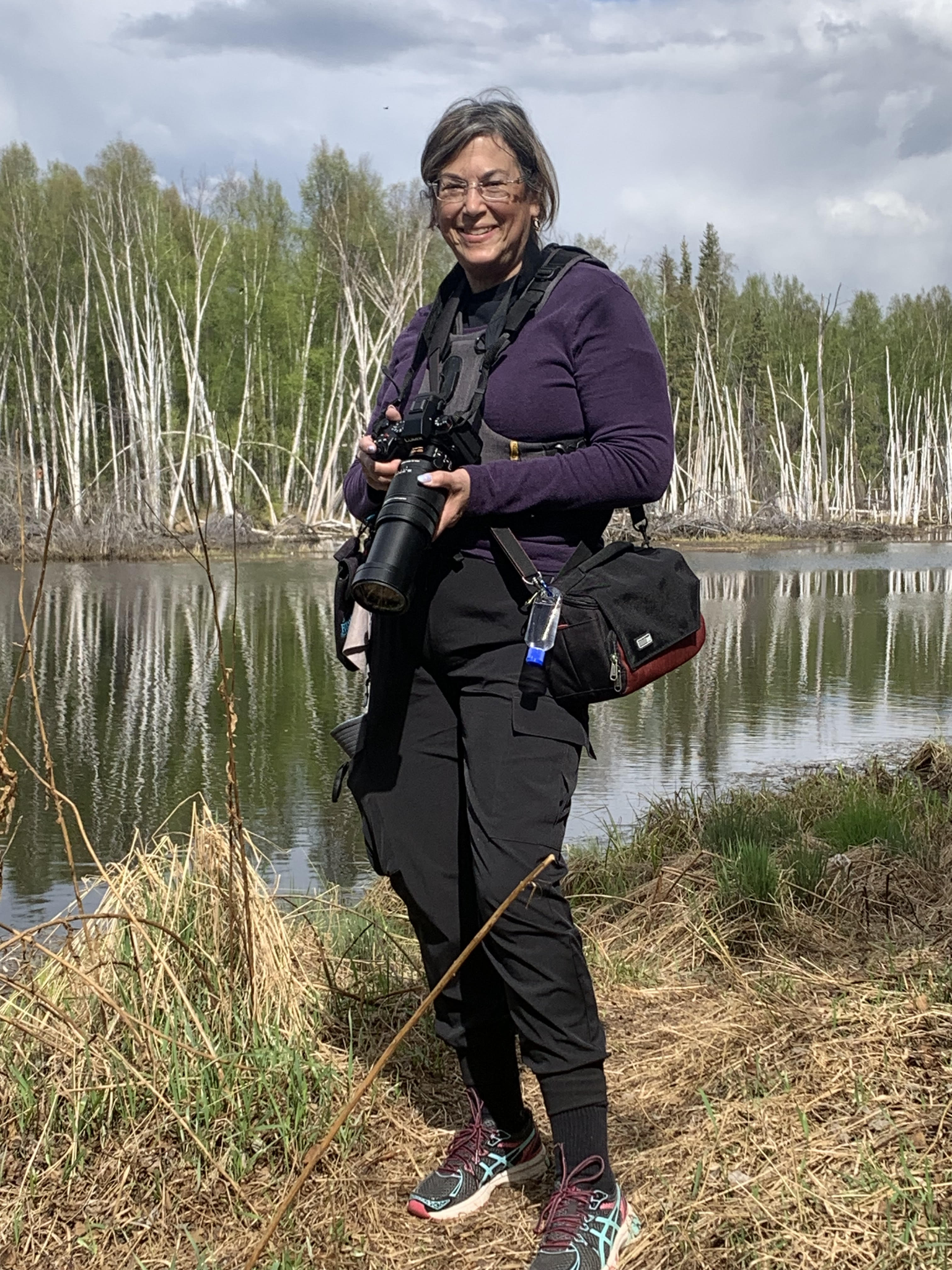
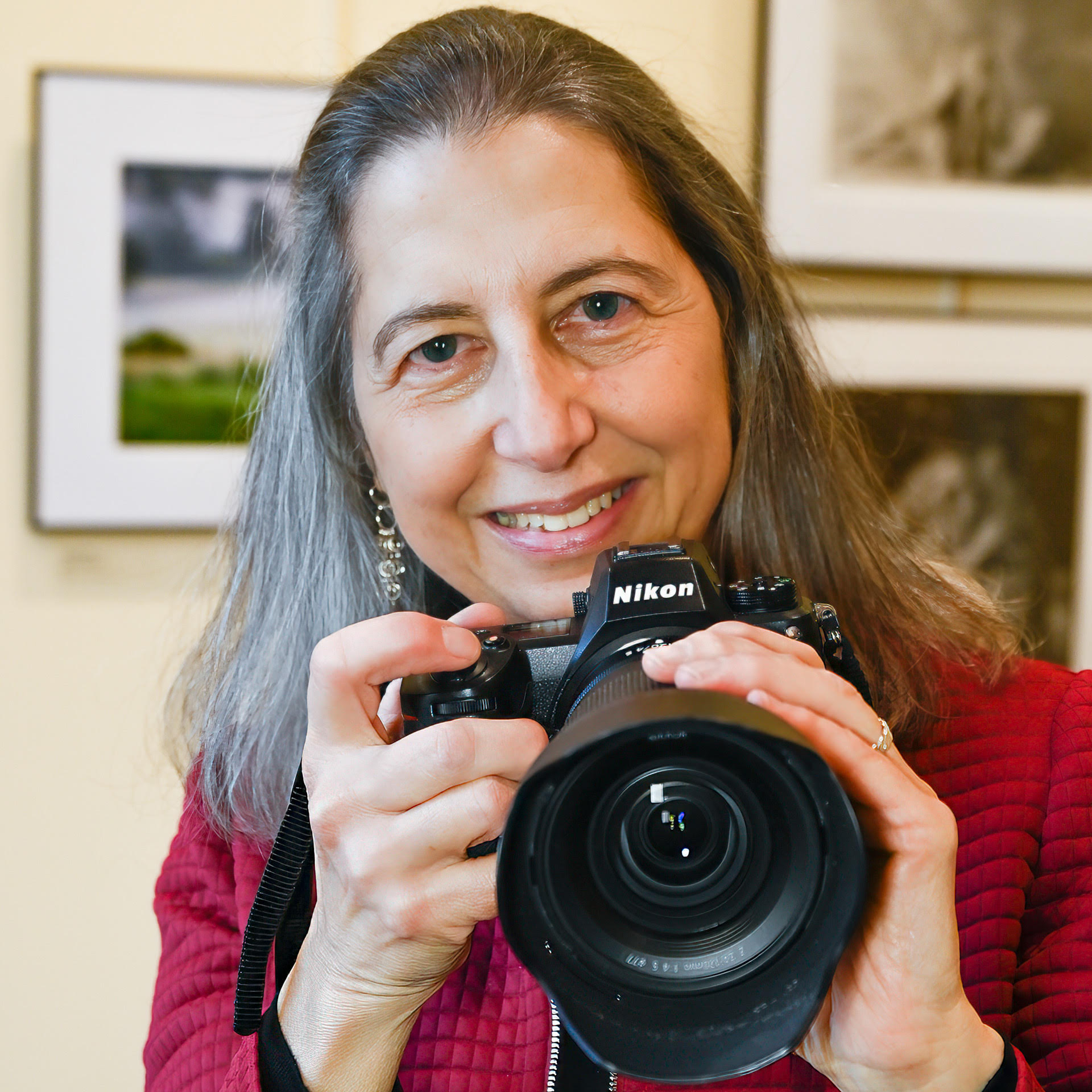
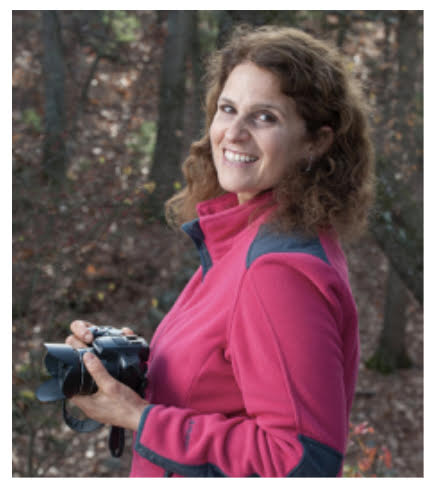
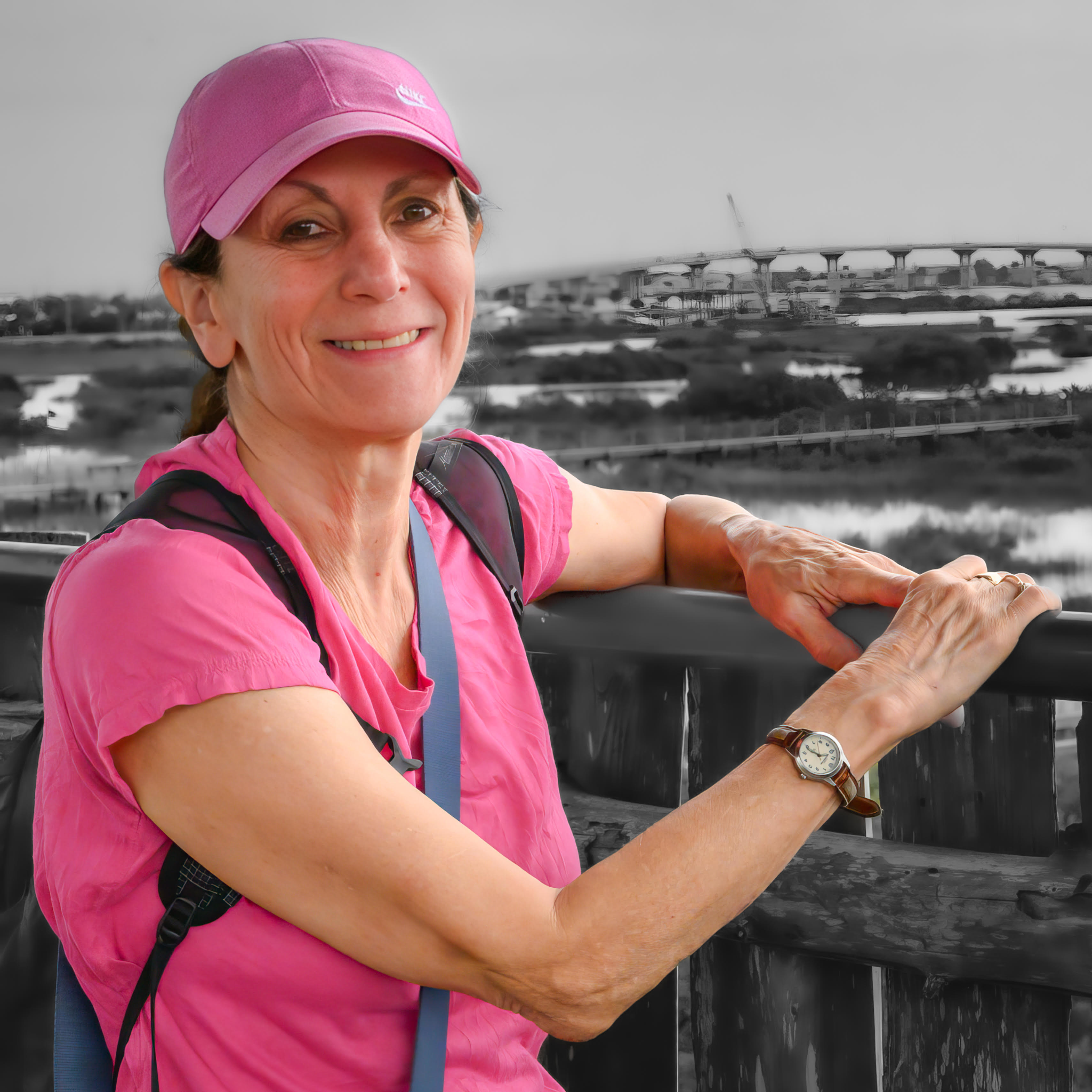
The four photographers. Clockwise from top left: Phyllis Neufeld, Nicole Mordecai, Jean Fain, Barbara Peskin.