
Mary Cummings Park: One of the Best Kept Secrets in Burlington
Philanthropist and businesswoman Mary cummings put a specific condition on her once-peaceful farmland: it must remain “forever open as a public pleasure ground."
On the south side of Burlington, shoppers move quickly through the concourses of the Burlington Mall.
Just outside the mall, traffic rushes along Route 128. Cars stream north and south in a steady flow, reinforcing the fast rhythm of life in Burlington.
But only minutes away, the pace slows.
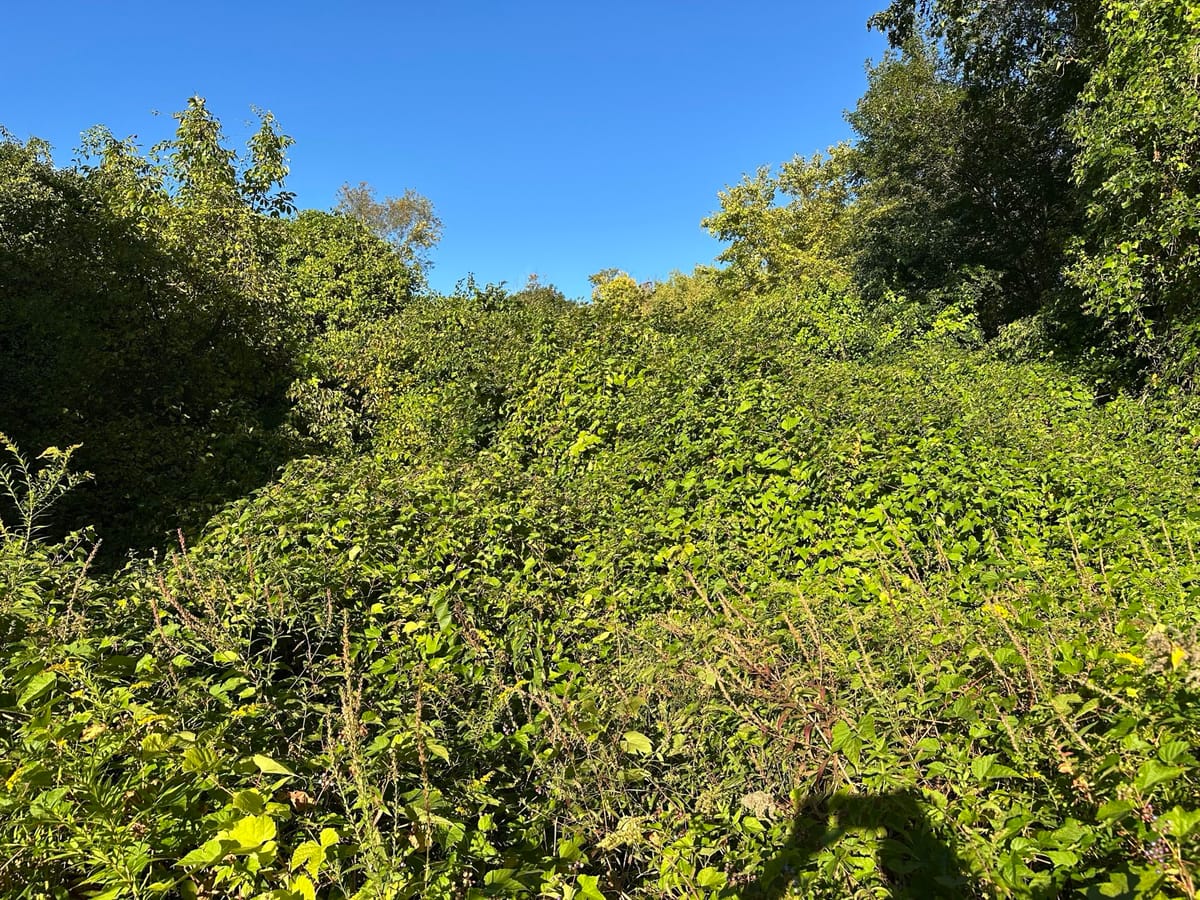
At the Blanchard Road entrance, where I parked my car, the long grey highway gave way to open meadows and winding trails. The sounds of traffic were gradually replaced by the rustle of grasses and the quiet movement of wildlife.
For Jon Sachs, a Burlington Town Meeting member and photographer, that stillness in town can only be found at the 216-acre Mary Cummings Park.
“It’s pretty magical,” said Sachs, who is also a board member for Friends of Mary Cummings Park (FoMCP).
Even the plume moths that flutter through the park’s meadow may not be so different from the ones Mary Cummings saw when she walked this land more than a century ago.
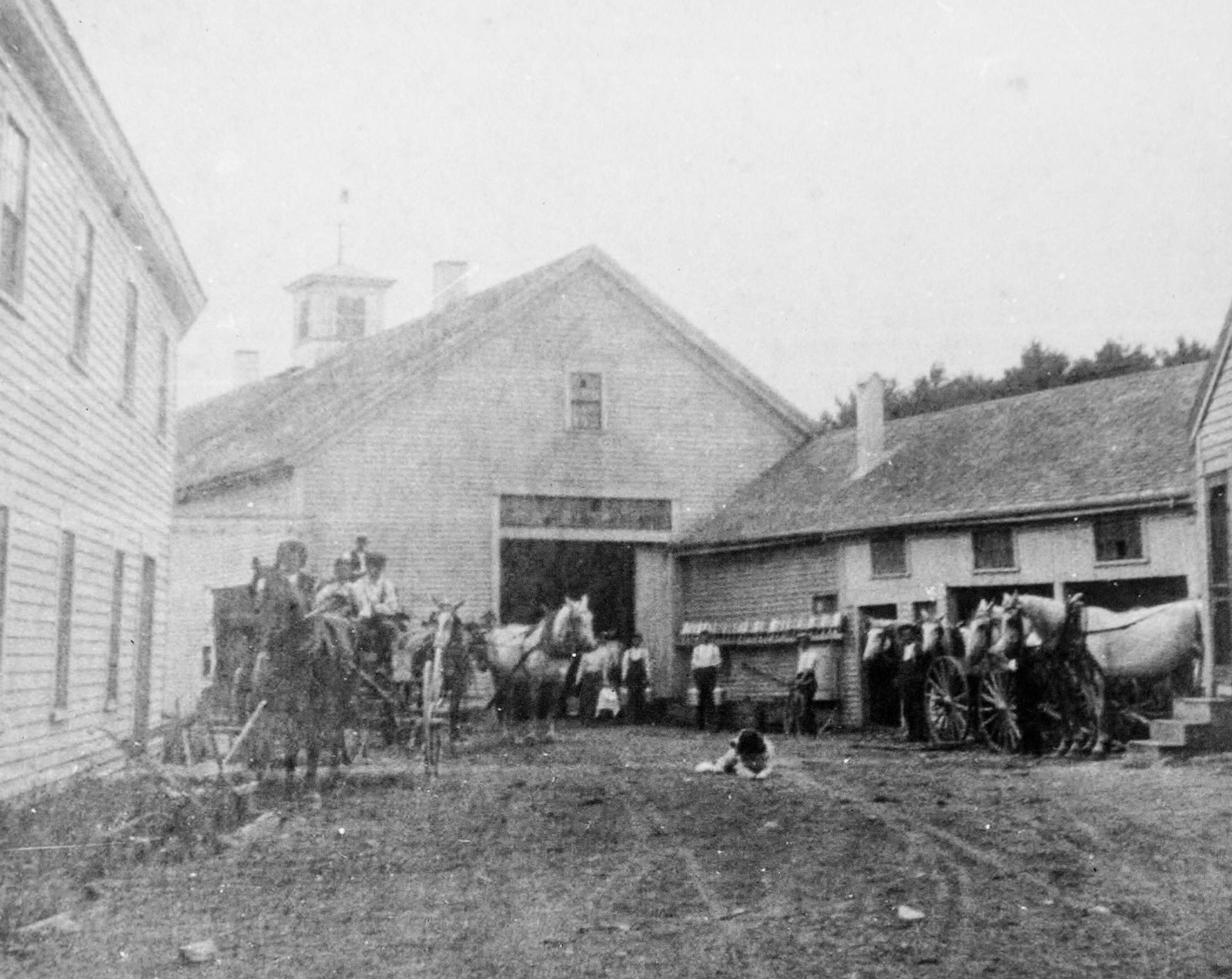
Mary Cummings was a businesswoman, philanthropist, and educator. In the late 1800s, she and her husband, John, operated a working farm on their Burlington property, maintaining herded cattle.
The estate served as both a summer retreat and an agricultural operation, with cattle, farmhands, barns, and horses spread across the rolling land.
When Cummings died in 1927, Boston city officials opened her will and discovered a clear directive. She had left her Burlington land to the city of Boston with a specific condition: it must remain “forever open as a public pleasure ground,” her will states.
Sachs believes the city of Boston hasn’t always lived up to her wishes.
The once-peaceful farmland eventually became part of a far more tense chapter of American history.
During the Cold War, the U.S. Army seized 26 acres of the property via eminent domain to build Nike Site B-05, part of a defensive ring designed to protect Boston from potential Soviet air attacks.
The designation "B-05" marked the Burlington location as one of several secret missile sites surrounding the city. The "B" stood for the city itself, and the "05" marked this specific spot in Burlington as one of the many secret guard posts built to stop Soviet bombers before they could reach the coast.
Pastures that once dominated the landscape were replaced by fortresses with high security, carrying nuclear-capable missiles that were stored in underground silos – all for a war that never came.
Even after the military left, the land continued to depart from Cummings’ original vision.
In the late 1950s, Northeastern University purchased the former Army site. Decades later, in 2011, the university built the George J. Kostas Research Institute for Homeland Security, a massive, 70,000-square-foot facility that rises three stories directly above the old army base.
Sachs said the changes were jarring. “It’s big and ugly."
For decades, the park remained largely hidden from the public. “No trespassing” signs were posted when Boston controlled the park. Sachs believes the goal was to keep attention away from the park.
“They didn't want people to know about it so that when they sold it, it wouldn't upset people because they wouldn't know,” Sachs said.
As a result, many residents who grew up nearby never developed a connection to the land. “We've tried to reach people who came to Mary Cummings Park as children, but they're few and far between and hard to find,” Sachs said.
In 2007, another key battle occurred. Under Mayor Thomas Menino, the city of Boston quietly issued a "Request for Proposals" (RFP) to developers. Plans included the possibility of office buildings or technology campuses. For local advocates, the proposal felt like it was putting a “For Sale” sign over Mary’s promise.
The nonprofit Friends of Mary Cummings Park mobilized to stop the sale. Led by researchers like Cath Moore and advocates like Sachs, they dug into the archives, found Mary’s original 1925 will, and proved that Boston was a 'Trustee,' not an owner. This meant the city had no legal right to develop the land for profit. This discovery stripped away their authority to sell, binding them instead to Mary’s "forever open” instructions and bringing the 2007 development plans to a halt.
After years of advocacy, preservation efforts prevailed.
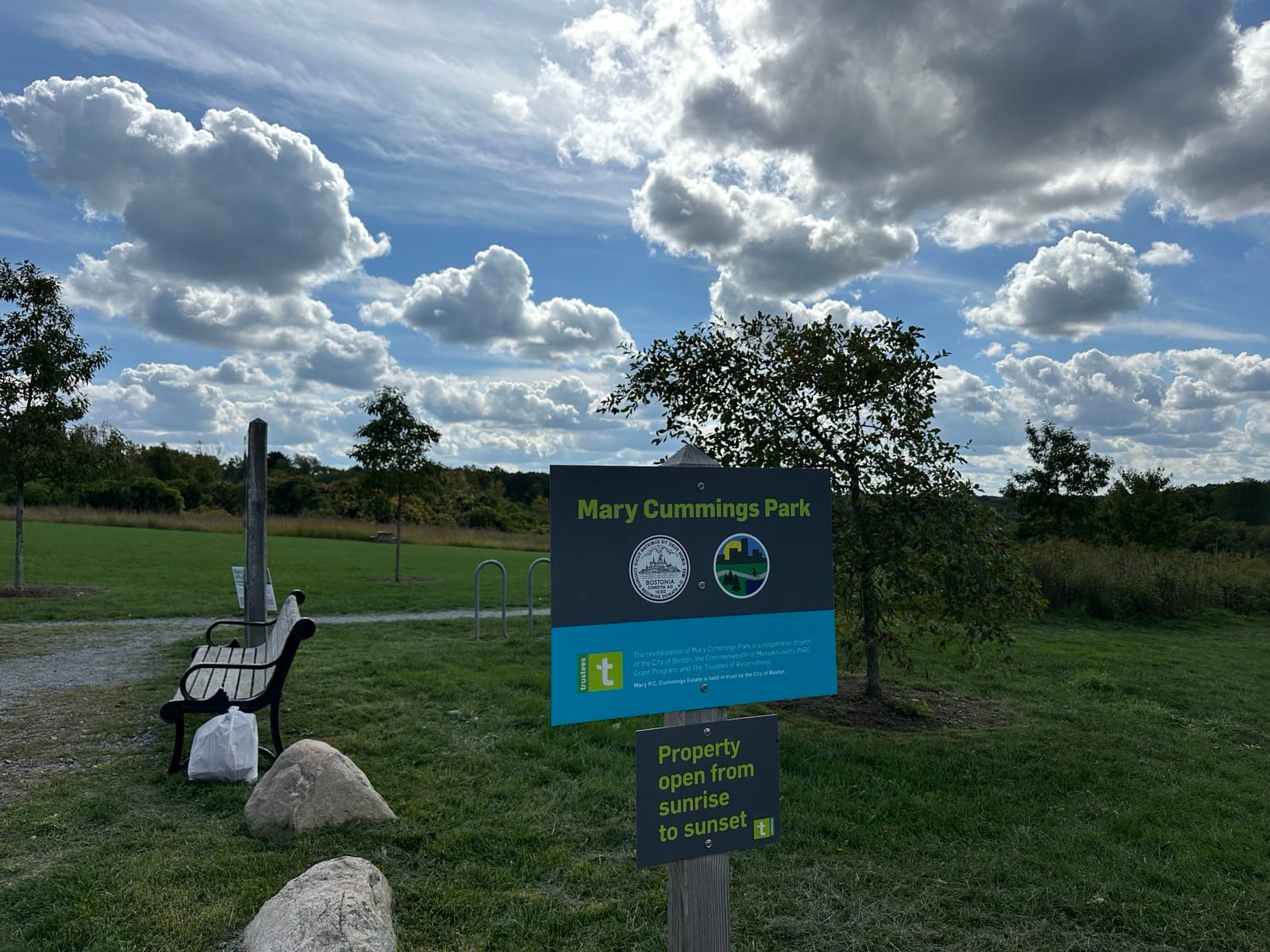
Today, the park is managed by The Trustees of Reservations and is permanently protected as an open space.
The land now contains three distinct ecosystems, each offering something different to anyone willing to slow down.
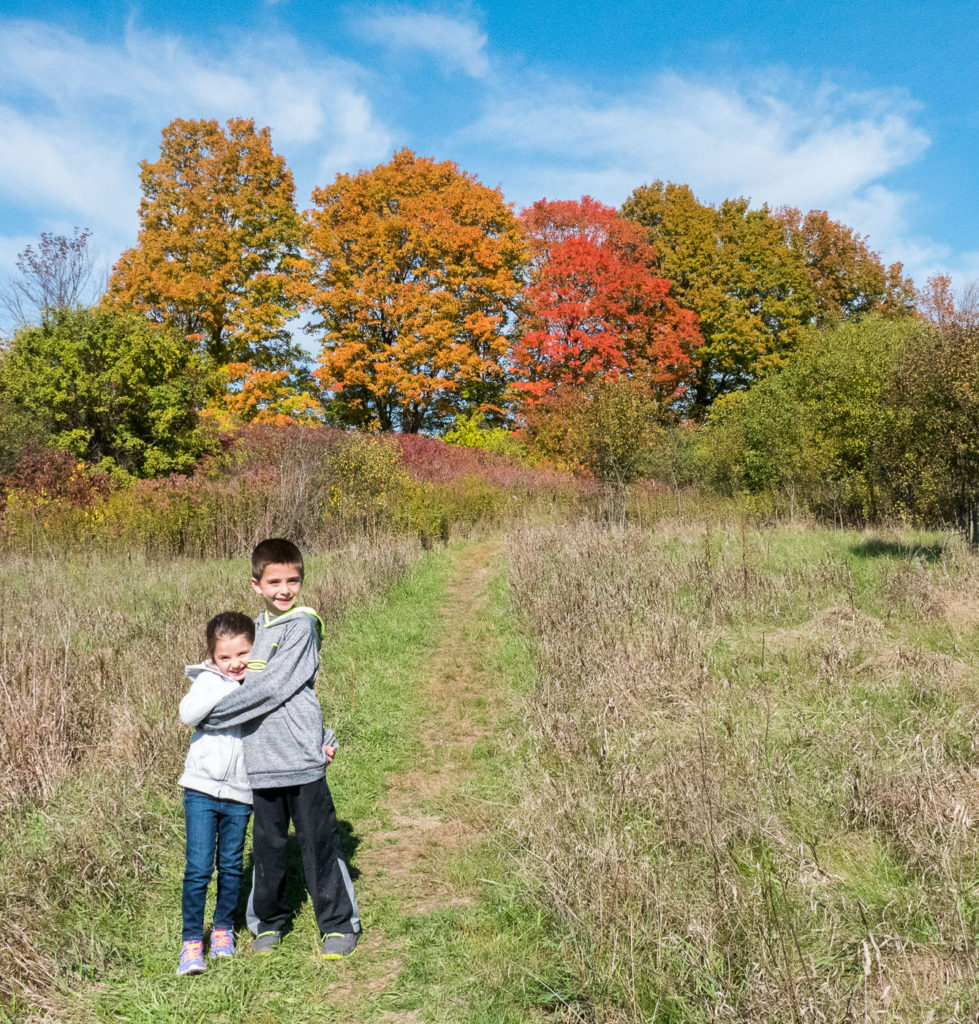
The upland meadows stretch wide under the open sky. I visited in early spring, before the wildflowers had come in. Pale grasses, bare patches of earth, the first signs of green just pushing through. Sachs says by June, the meadows transform entirely. Native grasses bloom from June to October, and bluebirds dart between nesting boxes while pollinators move through in quiet, steady waves. The Trustees have built a fully accessible 0.8 mile Pollinator Trail through this section, making it open to everyone.
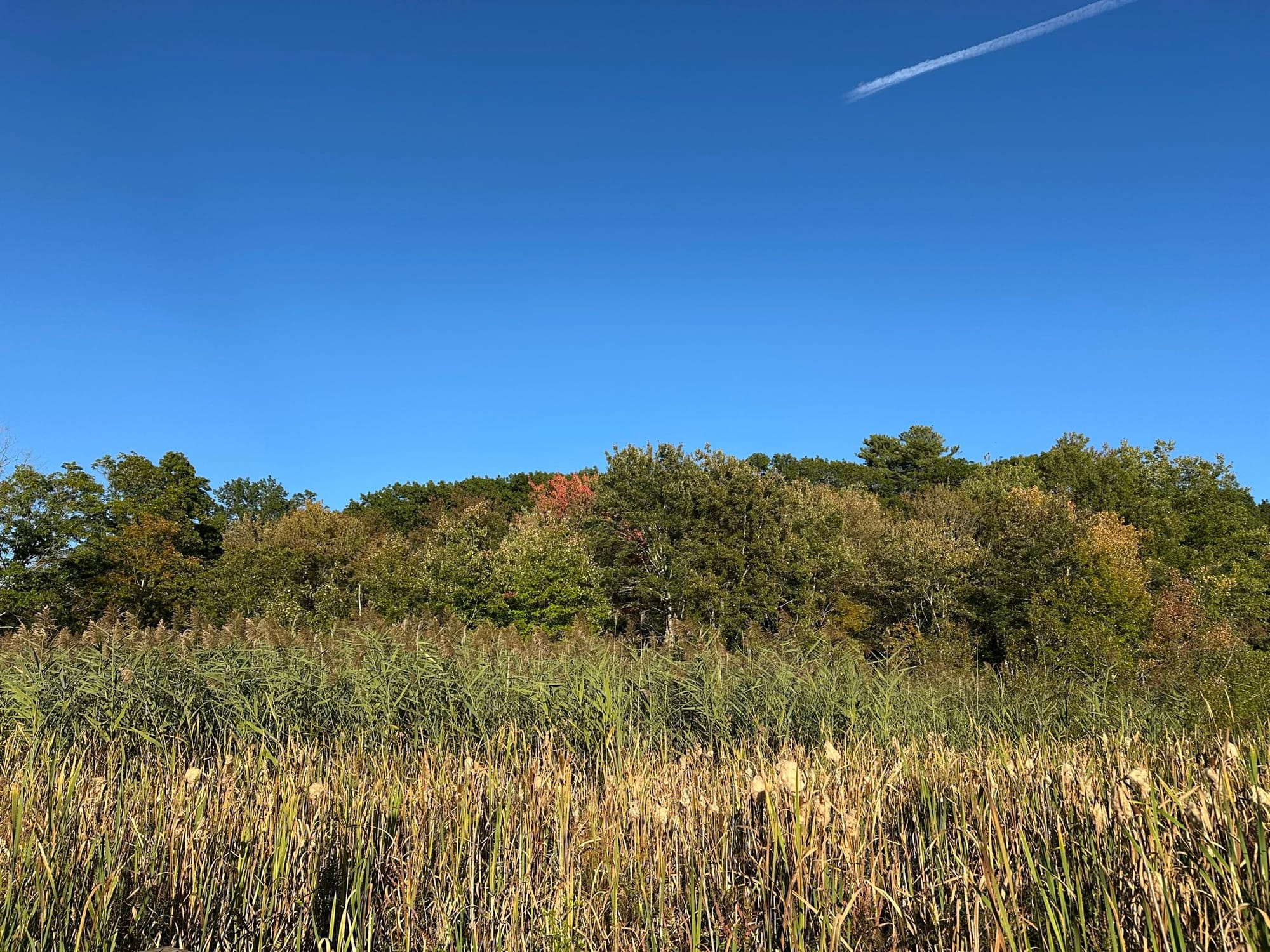
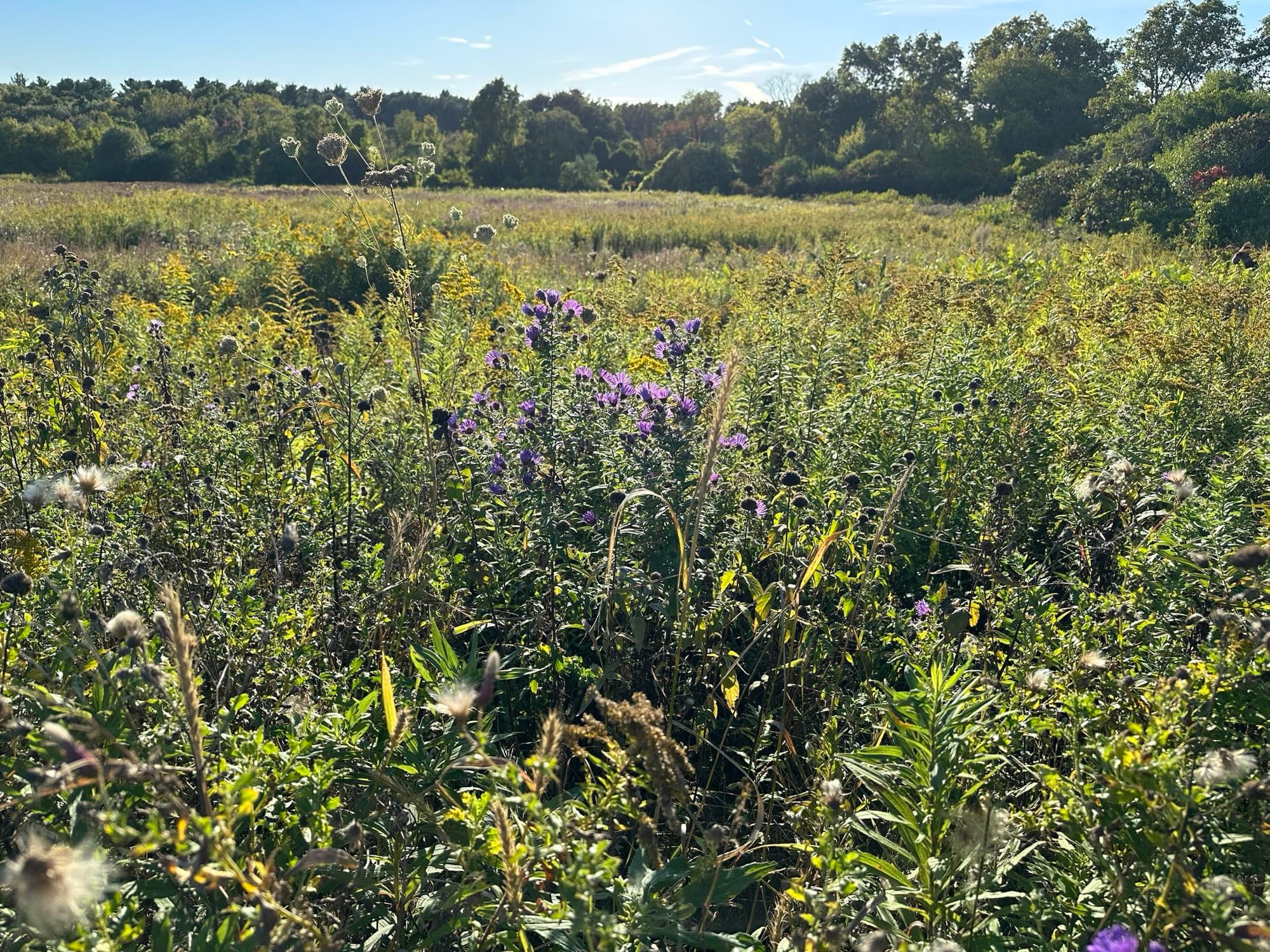
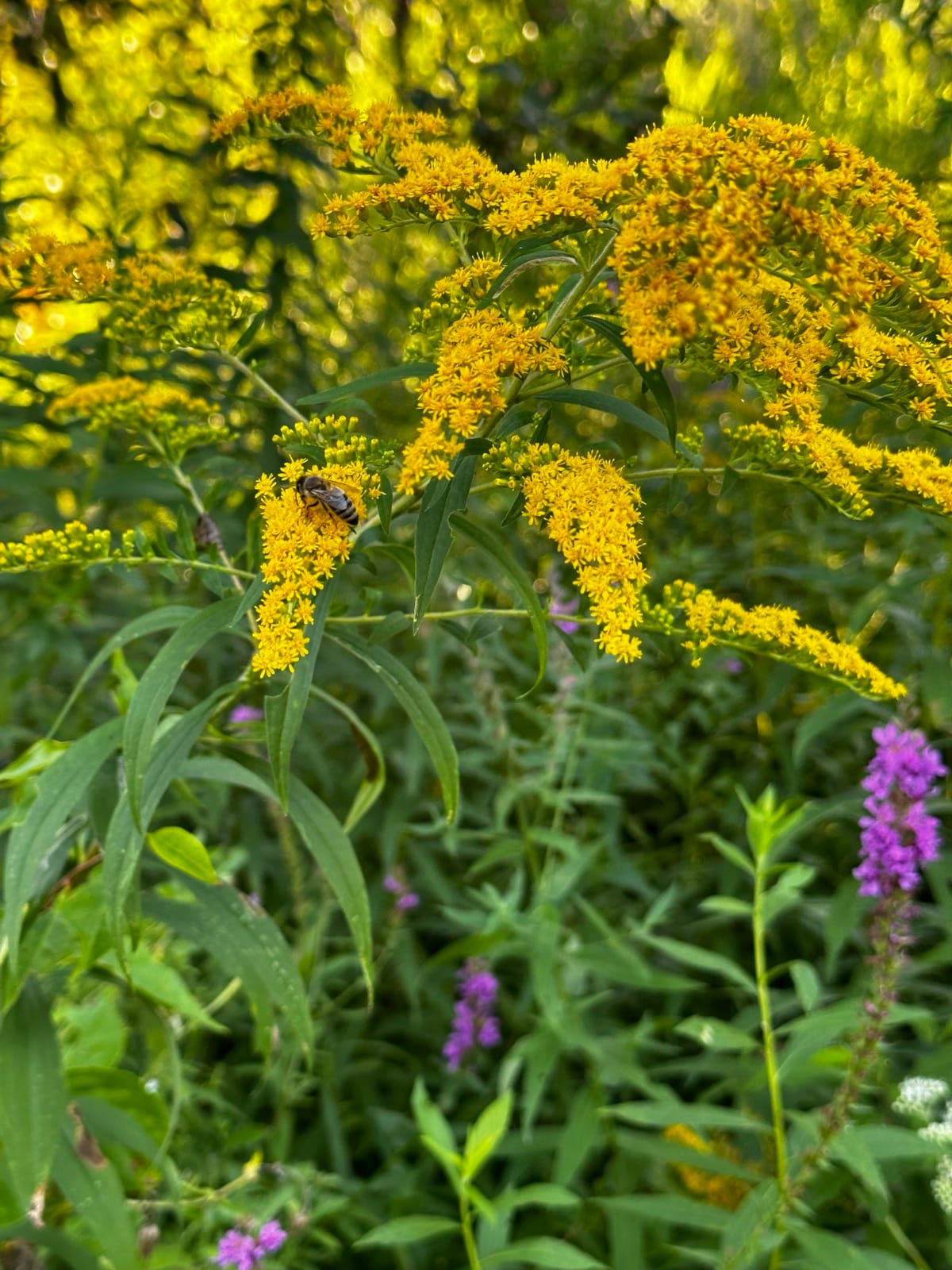
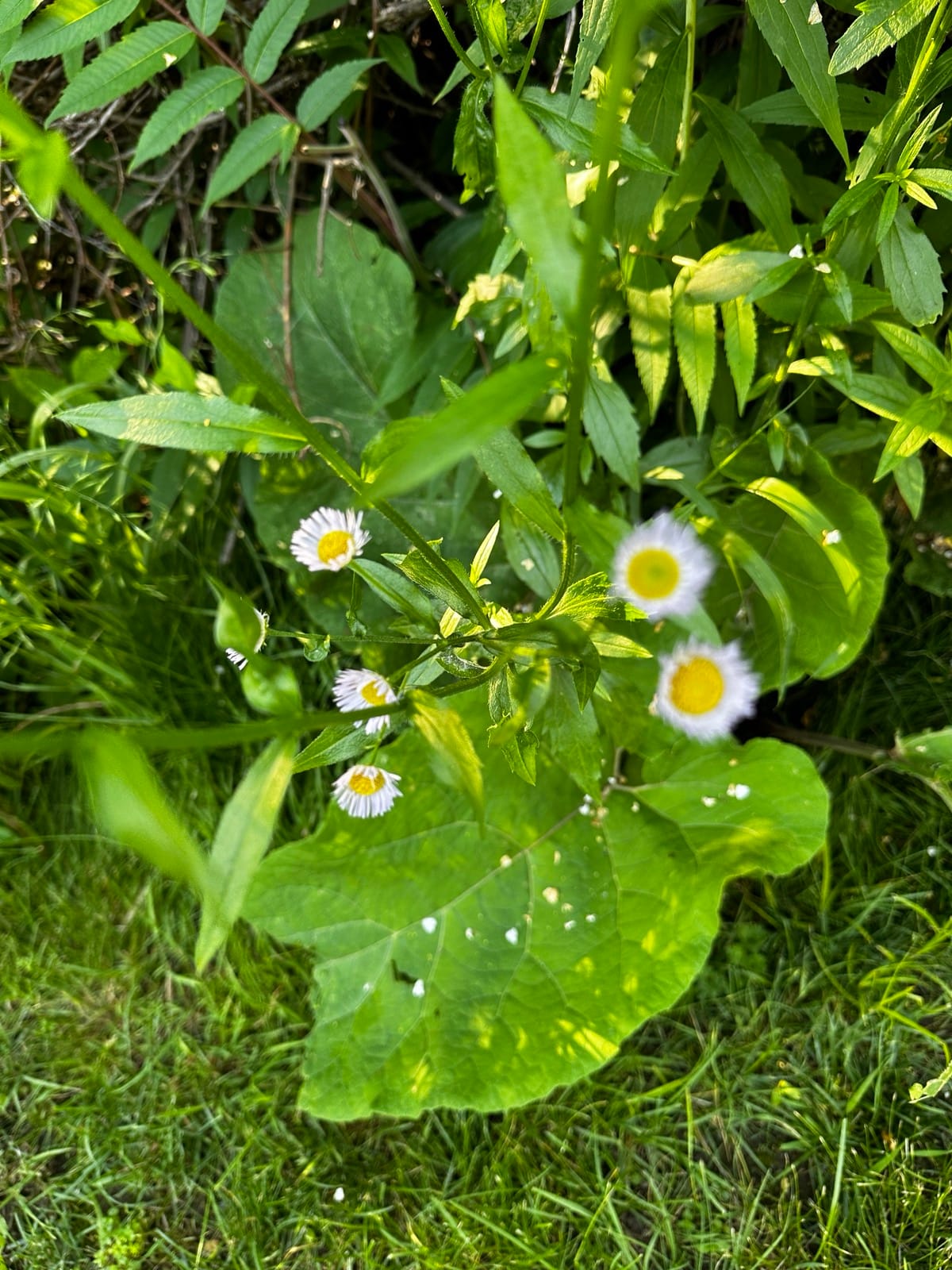
Open meadows offer a peaceful view. Photos by Nicci Kadilak.
Step through the tree line, and the light changes. The deep woods close in with an equally deep quiet. Tall oaks and pines block out the sky, and the floor turns softer with pine needles and moss. There are nine marked trails open from dawn to dusk year-round.
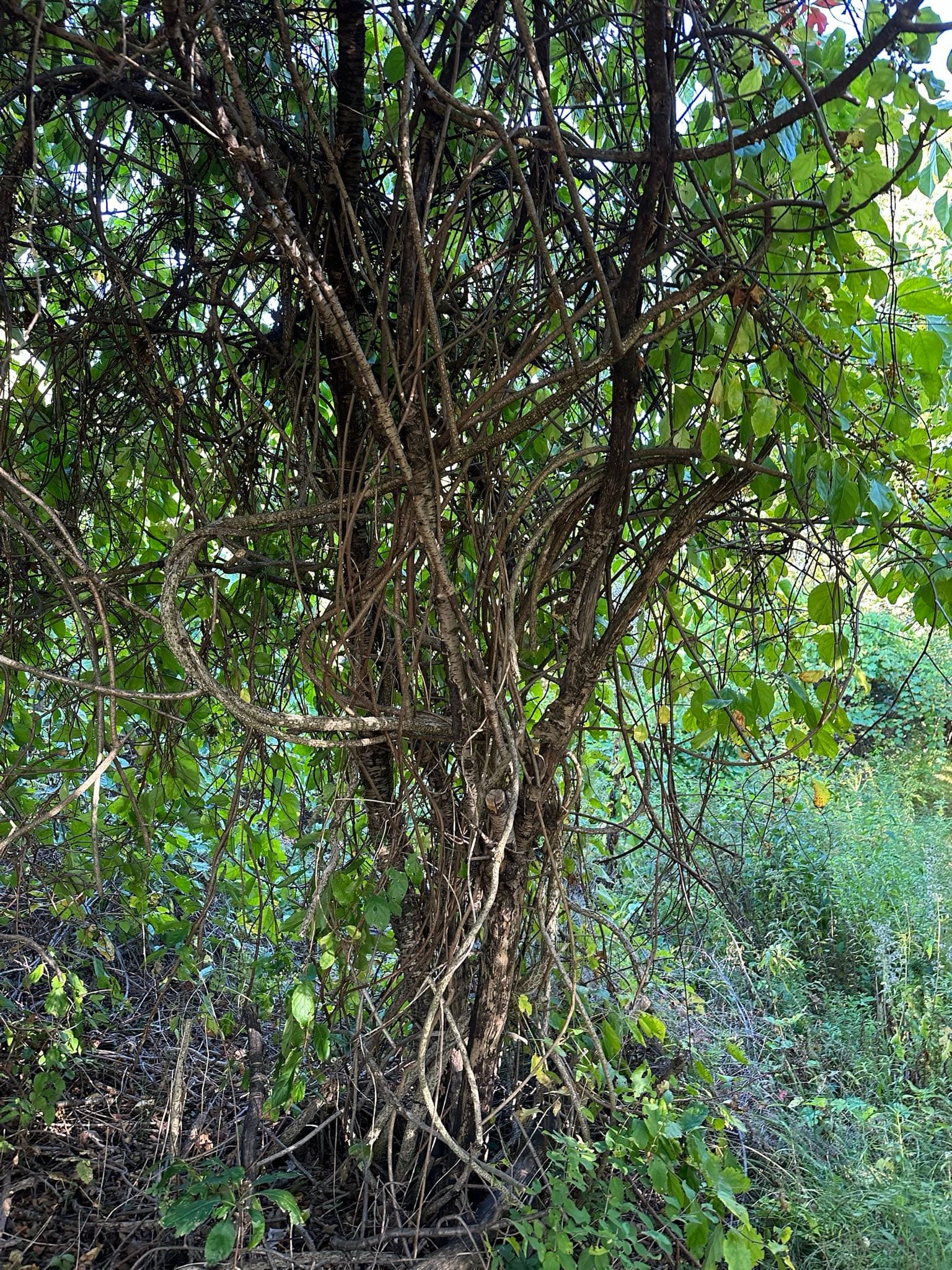
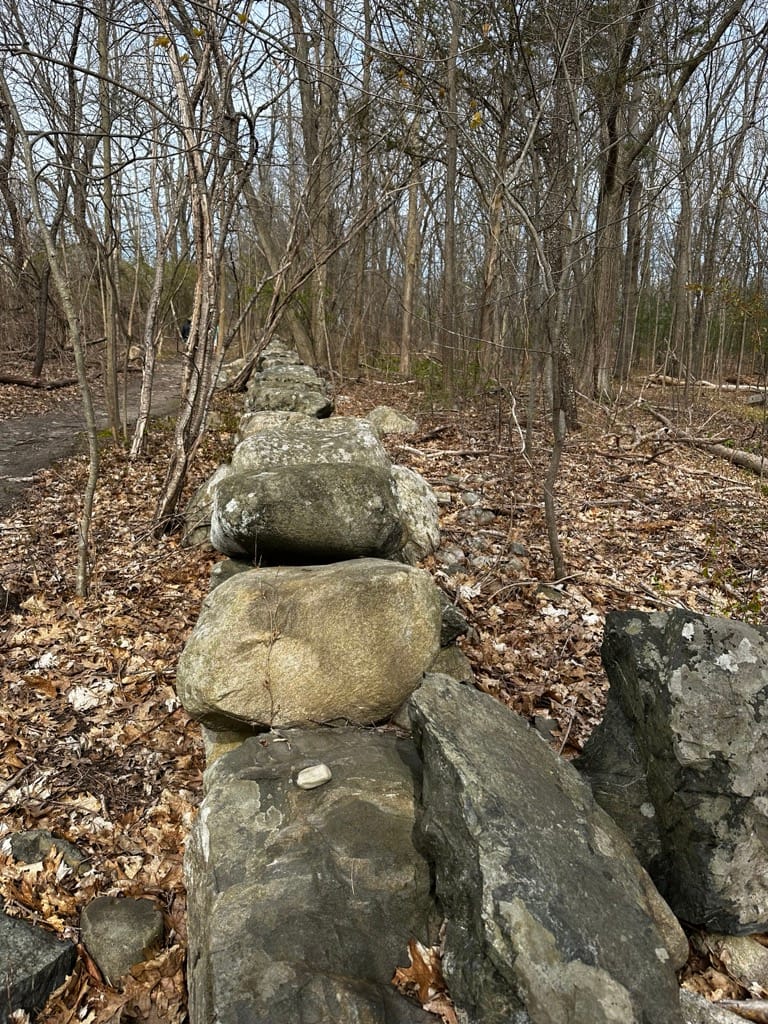
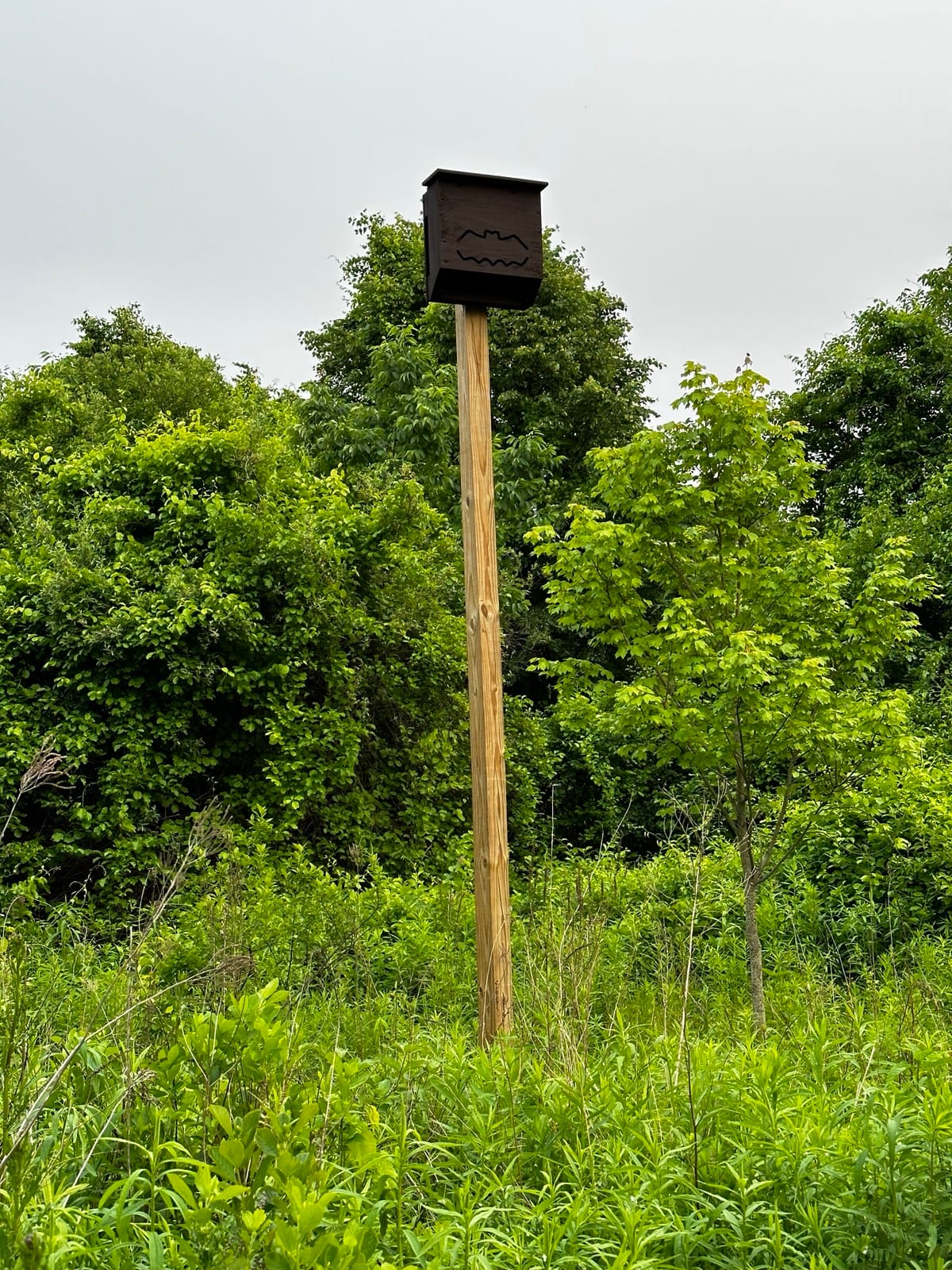
Forested areas provide cover and opportunity to spot various vegetation and wildlife. Photos by Nicci Kadilak.
On the park's lower edges, the land transforms into wetlands. Seasonal vernal pools collect in spring, offering a short-lived habitat for wildlife. Boardwalks cut through the marshier parts, keeping your feet dry while allowing you to enjoy being immersed in the space.
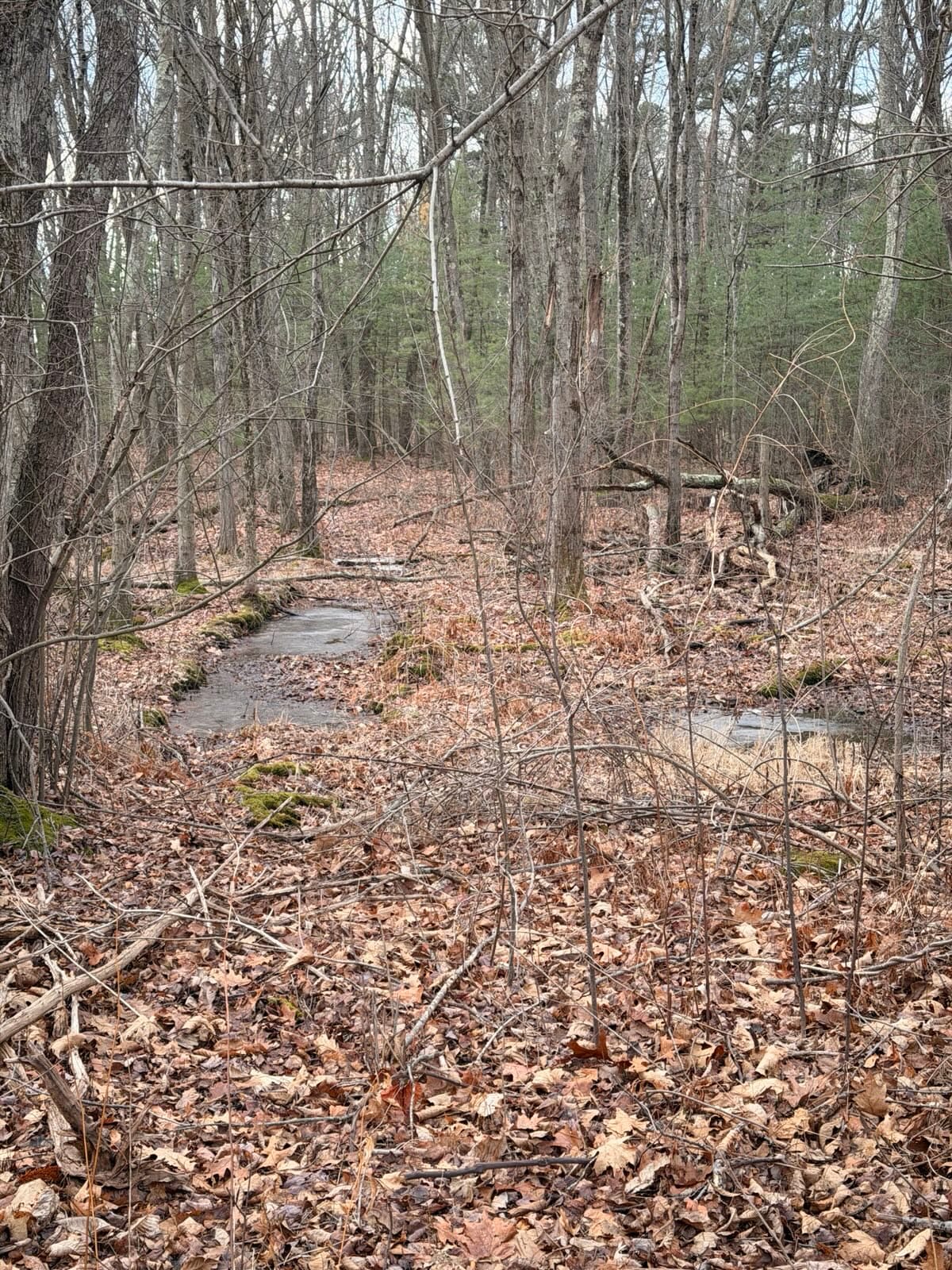
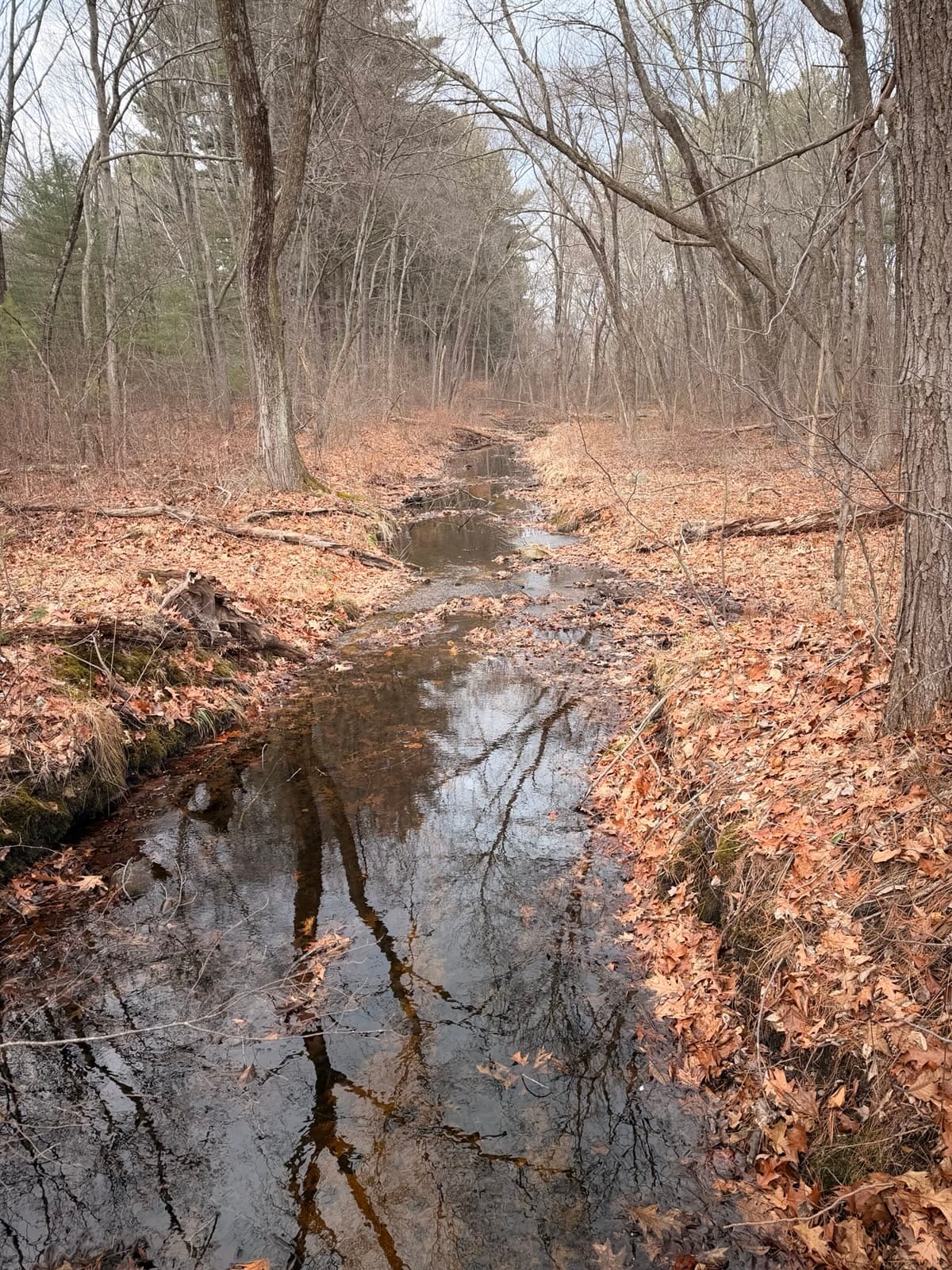
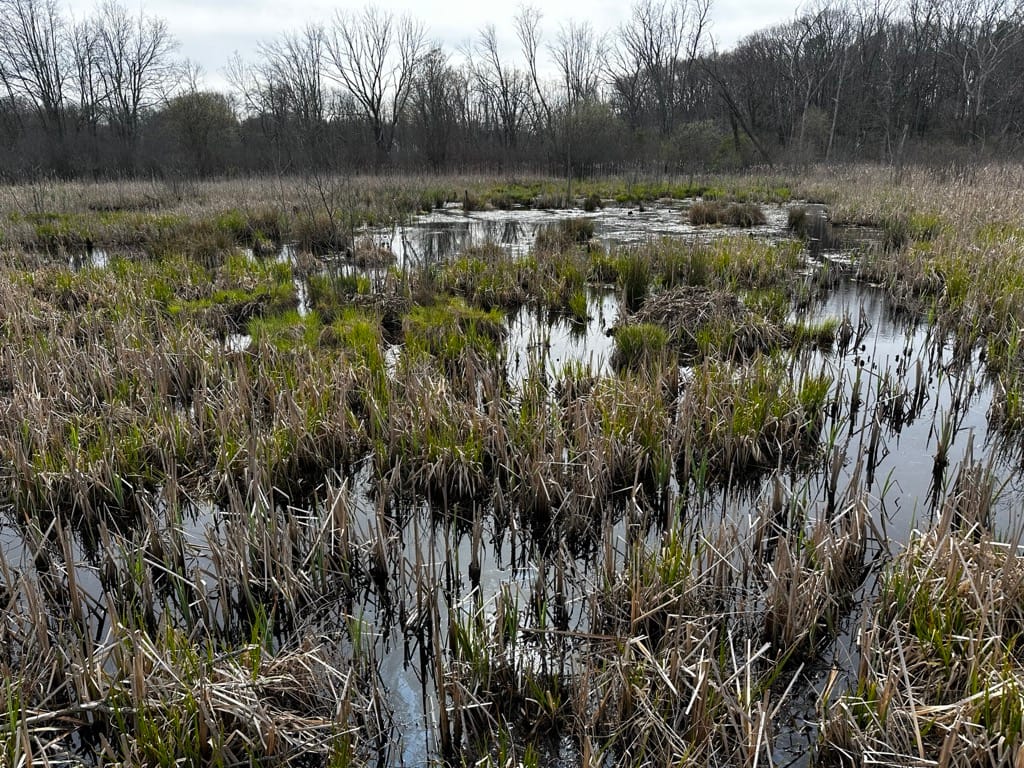
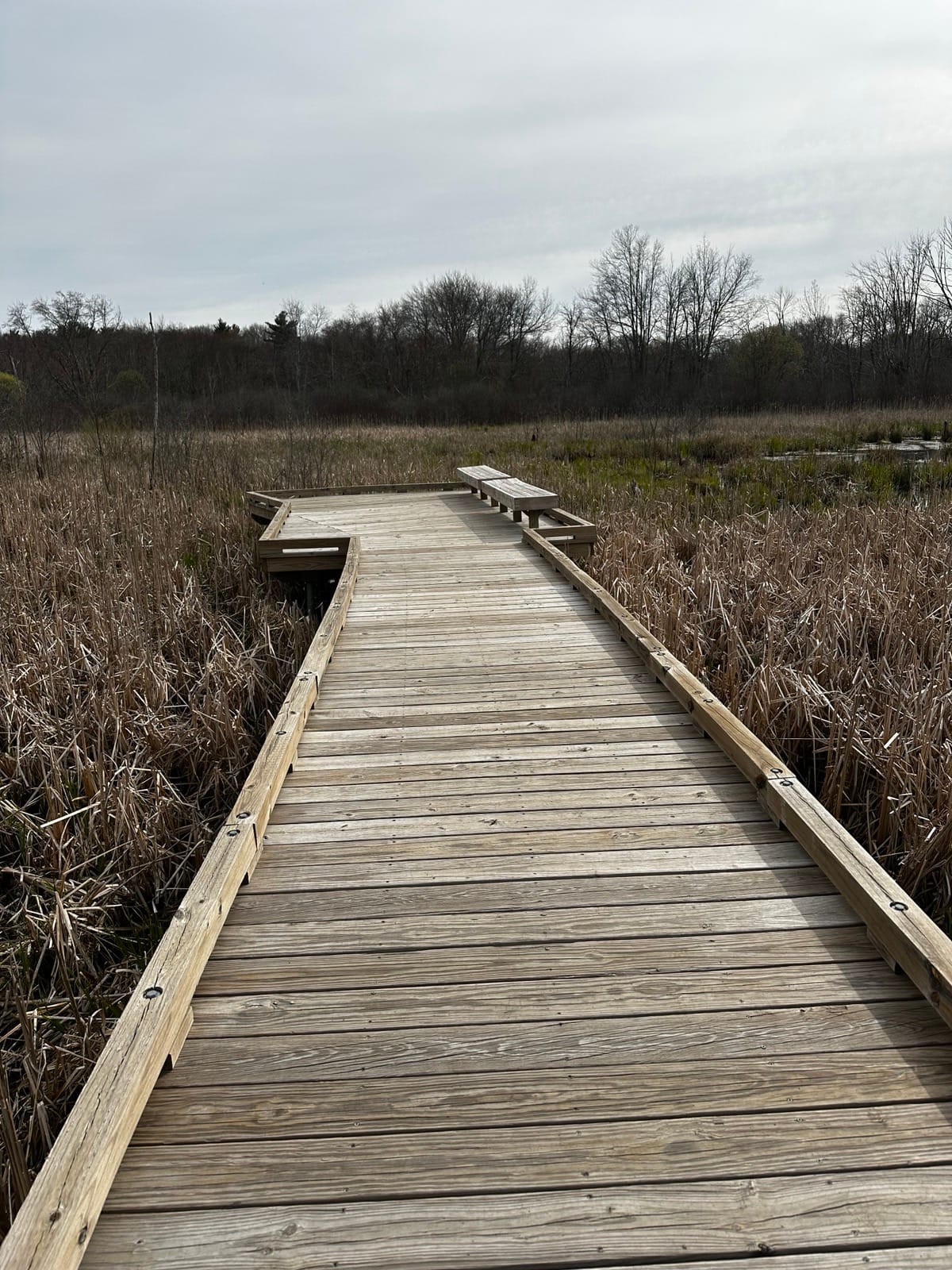
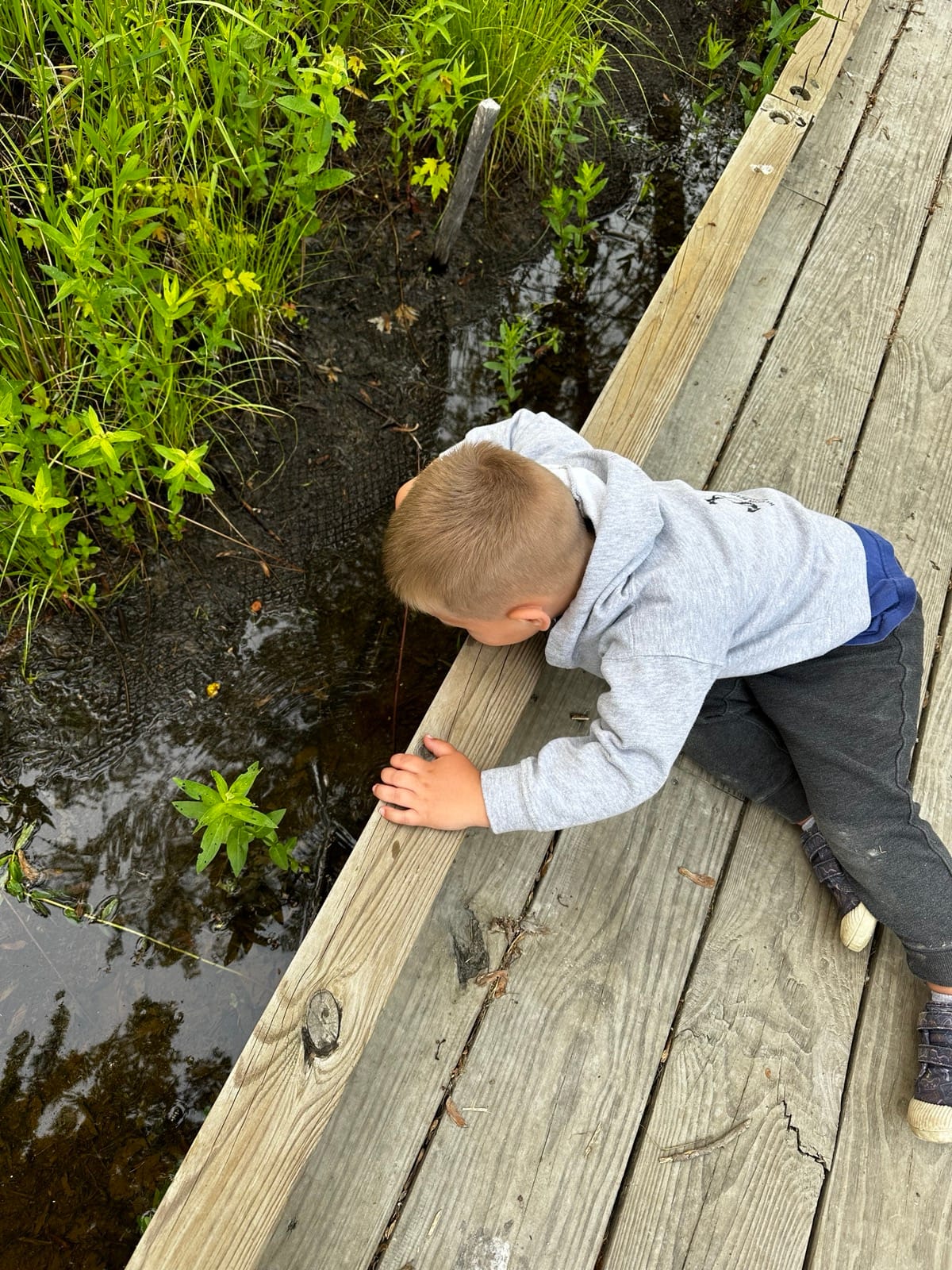
The wetlands are a joy to visit at any time of year. Photos by Nicci Kadilak.
When asked how Mary Cummings would react to the last 100 years of the park’s story, Sachs speculated that her feelings would be mixed.
She would be thrilled the park still stands, he said, but furious at the modern intrusions like Northeastern’s Campus and the city of Boston’s attempt to sell the park.
Reflecting on Boston’s decades of attempted sales, Sachs said of Cummings: “She didn't realize she was putting a fox in charge of the chicken coop.”
Teo Berbic is a student at Endicott College studying journalism. This story was published in partnership with the Massachusetts News Service.