
The Beauty of Waiting: The Benefits of Holding Off on Fall and Spring Cleanup
As spring arrives, there's beauty in what you left behind — and good reasons to hold off on that garden cleanup a little longer.
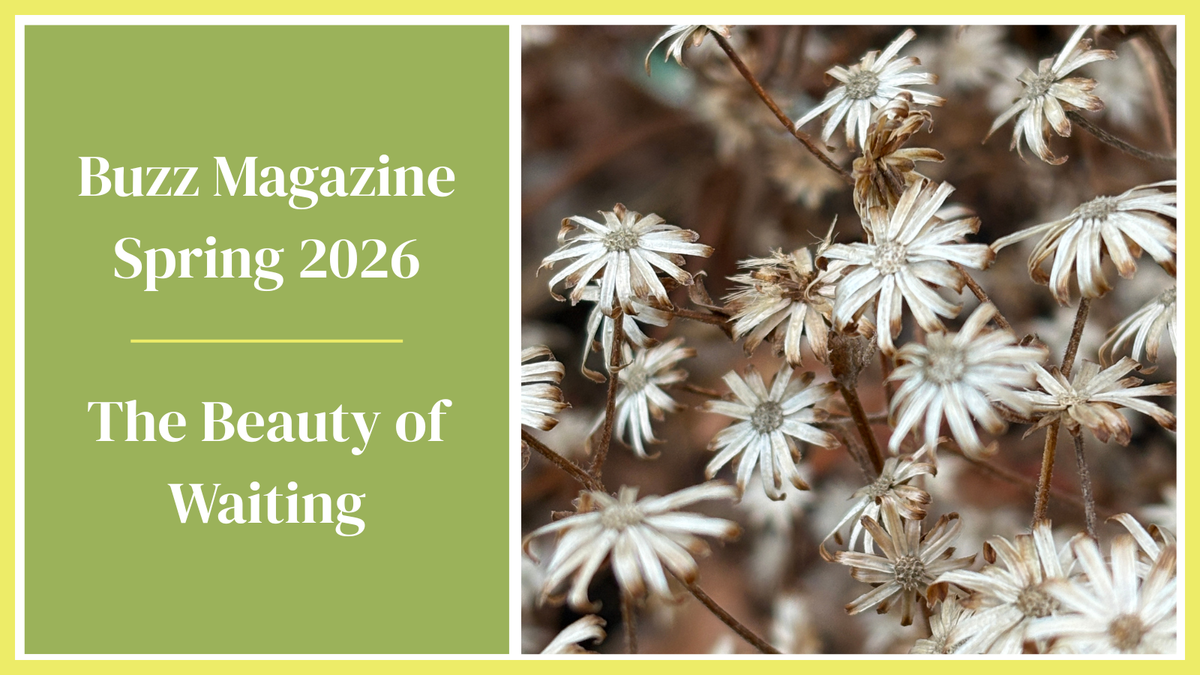
by Vicki Chambers, Burlington Garden Club
Picture this: It’s October. just past the first frost. You rush to rake the leaves, cut back the garden, and put the messy yard “to bed” for the winter.
Then: It’s late March. The days are getting warmer, and you’re more than ready to clean up the garden and get it growing again.
This story was featured in our Spring Magazine
Read our Spring 2026 issue today — now arriving in Burlington mailboxes.
Many of us feel better when the lawn and garden look nice, clean, and orderly. But what might look messy to us is a warm, comfortable haven for many species. Waiting to clean up your garden in fall and spring does wonders for wildlife, soil health, and your own gardening success.
In autumn, fallen leaves and dried seed heads provide critical homes for overwintering insects, such as butterflies, ladybugs, and native bees. The layer of leaves atop the soil acts as a natural mulch, protecting roots from harsh freezes while feeding the soil as the leaves break down. Birds benefit too, feasting on seeds and hidden insects throughout the colder months.

If you like being informed and connected to your community, sign up for the Daily Buzz newsletter now!
When spring arrives, it’s equally important to wait before cleaning up. Many beneficial insects and pollinators remain dormant in hollow stems and under leaves until temperatures warm consistently. A good guideline is to delay cleanup until daytime highs are regularly around 50°F. At these temperatures, most of those hidden creatures have begun to stir.
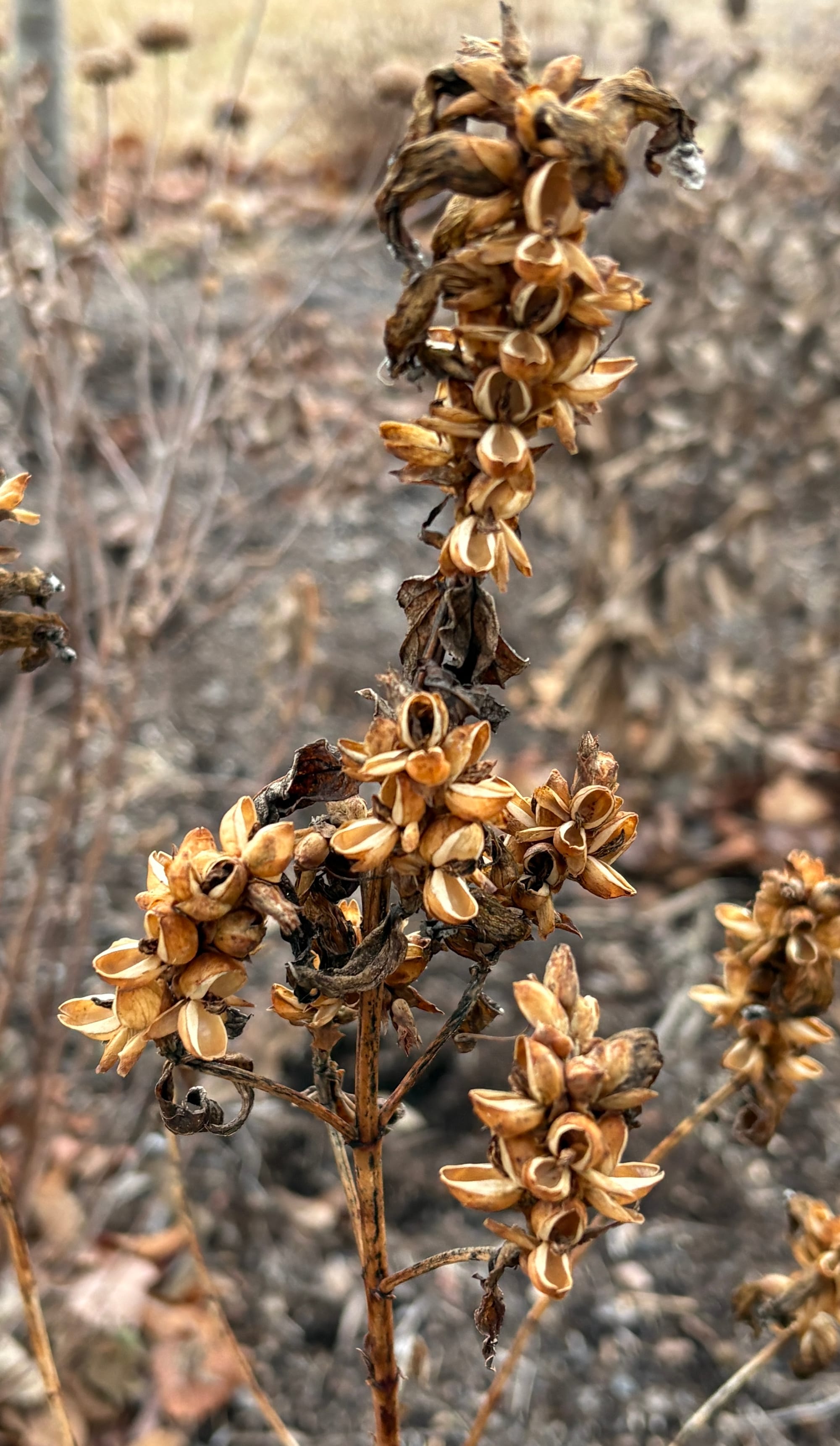
Once it’s time, tidy gradually: cut back dead stalks in stages, rake gently, and leave some leaf litter in tucked-away corners to maintain a little habitat for insects. You’ll find that your garden awakens stronger, healthier, and teeming with life.
By slowing down and syncing our routines with nature’s rhythm, we nurture our plants and help an entire ecosystem flourish. Additionally, there is an intricate beauty to be found in the dried plants and seedpods, giving us a different perspective on our garden.
Nature works best when we give it time. This year, let patience be one of your best gardening tools.