
Market & Moments: By the Decade — Common Home Inspection Findings
While no two homes are exactly alike, every era of construction has its own strengths and its own common issues.


Welcome to Market & Moments, where real estate broker Susan Kadilak shares market updates and lessons learned from more than two decades in the business.
One of the biggest misconceptions about a home inspection is that it’s simply a pass or fail test. In reality, nearly every home will have a list of findings. The goals of a home inspection are to educate the home buyer about the current condition of the home and ongoing maintenance recommendations, and to identify issues that could have a meaningful impact on safety, value, or future repair costs.
Following a home inspection, we’re often asked, “Is this normal?” The truth is that every era of construction has its own strengths as well as common issues we see over and over again. While no two homes are exactly alike, understanding what inspectors typically find based on when a home was built can help buyers and sellers prepare for what to expect.
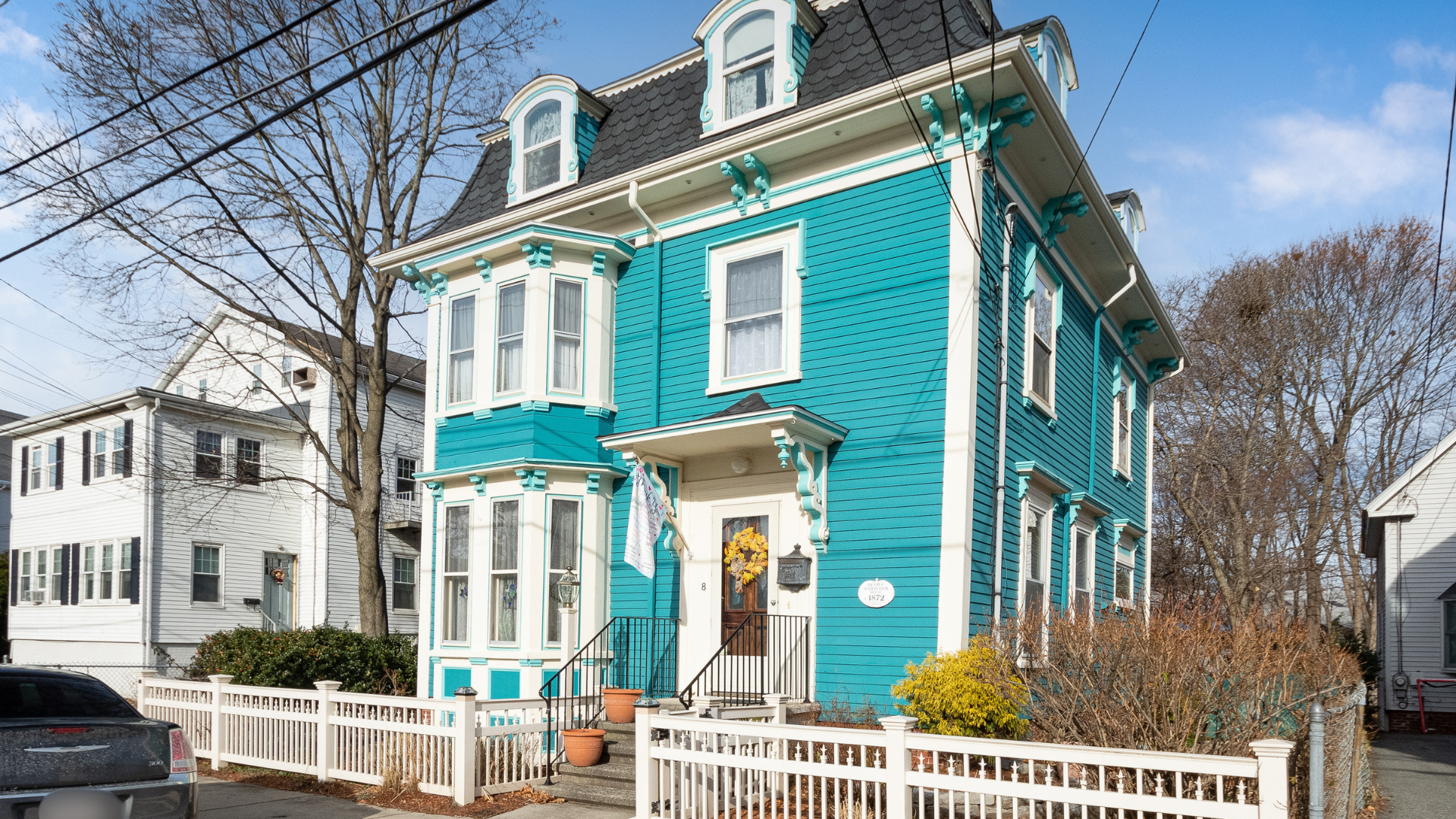
By decade, here are some of the frequent home inspection findings throughout Burlington and the surrounding communities:
Pre-1950 Homes
Homes built before 1950 are known for their craftsmanship, character, and quality lumber. It’s common to find knob and tube wiring, stone foundations with minor water seepage, galvanized plumbing, aging chimneys, asbestos-containing materials, and structural settling that has occurred over decades. Lead paint may also be a concern for certain home buyers. These homes can be wonderful investments, but they typically require ongoing maintenance and thoughtful updates.
1950s–1960s Homes
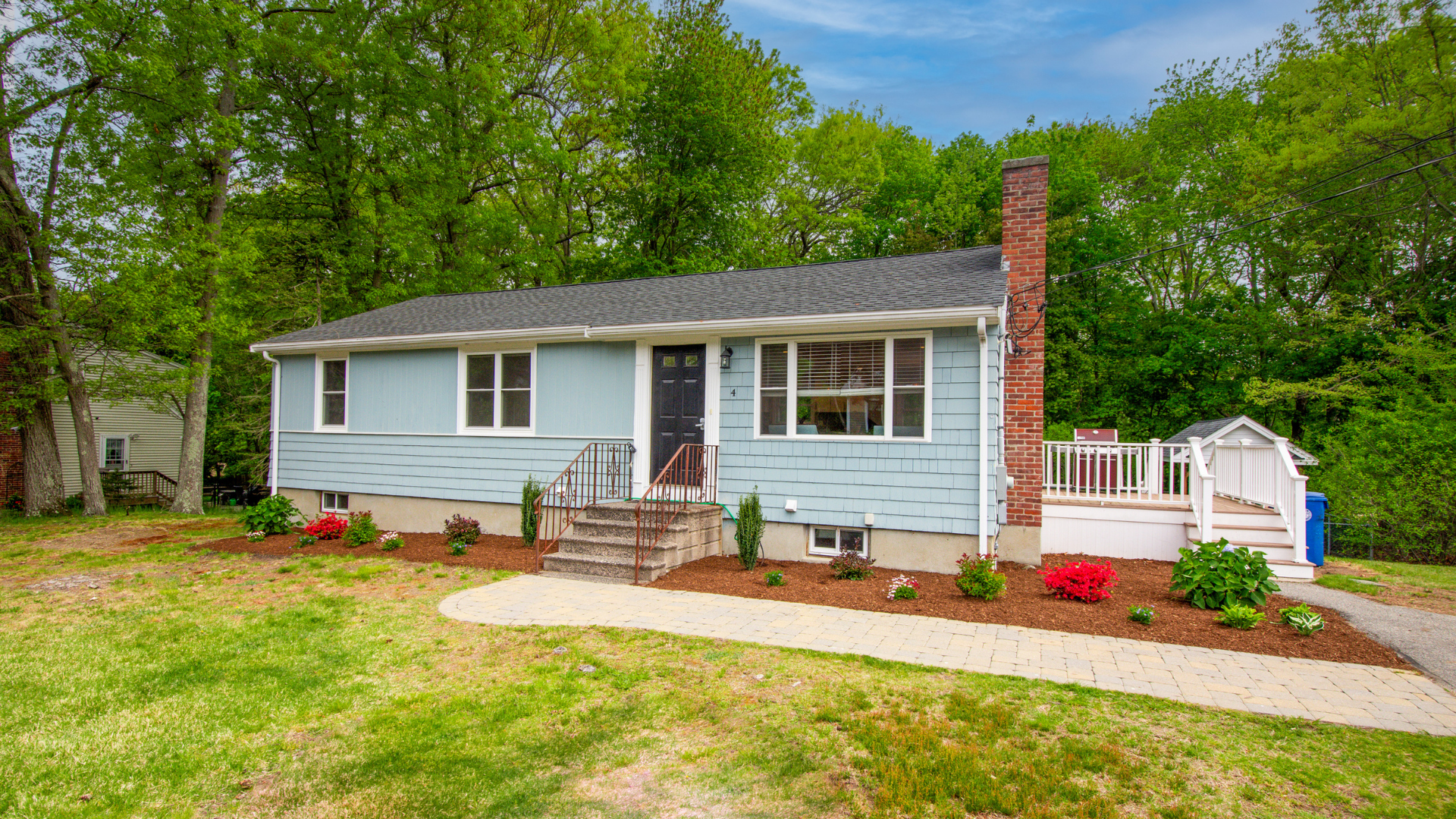
Ranches, capes, and split level homes built during the post-war housing boom remain some of the most popular homes in our area. During inspections, we frequently encounter original electrical panels, termite damage, aging cast iron drain lines, older windows, and asbestos flooring. We recently listed a beautifully maintained home from this era where the inspection uncovered an original fuse box. Although it was functioning properly, the seller chose to replace it before closing, giving the buyers greater confidence and helping the transaction move forward without delay.
1970s Homes
Homes from the 1970s are beginning to reach the age where many of their major systems are in need of a second round of replacement. Some homes from this decade also contain aluminum branch wiring, which should be evaluated by a qualified electrician, while many others could benefit from improved insulation and energy efficiency upgrades
1980s–1990s Homes
One of the more common inspection findings in homes built during the 1980s and 1990s is mold or mildew in the attic. As homes became more energy efficient, construction methods changed to create tighter building envelopes, but attic ventilation practices didn’t keep pace. This mismatch, combined with improperly vented bathroom fans or dryer vents, can cause warm, moist air to became trapped in the attic, leading to condensation and mold growth on the roof sheathing. Fortunately, these issues are often repairable once the underlying ventilation problem is corrected.
2000s and Newer Homes
While newer homes generally have fewer age-related concerns, they are not immune to inspection findings. If a home is in the age range of 20-25 years, it’s not unusual to find that major systems such as the roof and HVAC system need immediate replacement. In some homes, if the exterior has not been maintained, the deck, exterior trim, and siding may need attention before they become larger problems.
No home is perfect, regardless of when it was built. A home inspection is about understanding the home’s condition and planning for the future. Knowing what is typical for a home’s age can help buyers make informed decisions.
Walking away from a home purchase is rarely an easy decision, but sometimes it’s the right one. While most inspection issues can be repaired, replaced, or negotiated, buyers should take a step back when they uncover problems that dramatically change the financial picture of the home – or when the seller is unwilling to address significant safety or structural concerns. Buying a home should be an exciting milestone, and the best decisions are made with good information and expectations in mind.