
Ballot measures must clear courts, lawmakers, and voters
Eleven of 44 would-be ballot questions have secured enough signatures to go on the 2026 ballot; if all make it through the next set of tests, it would be a state record.

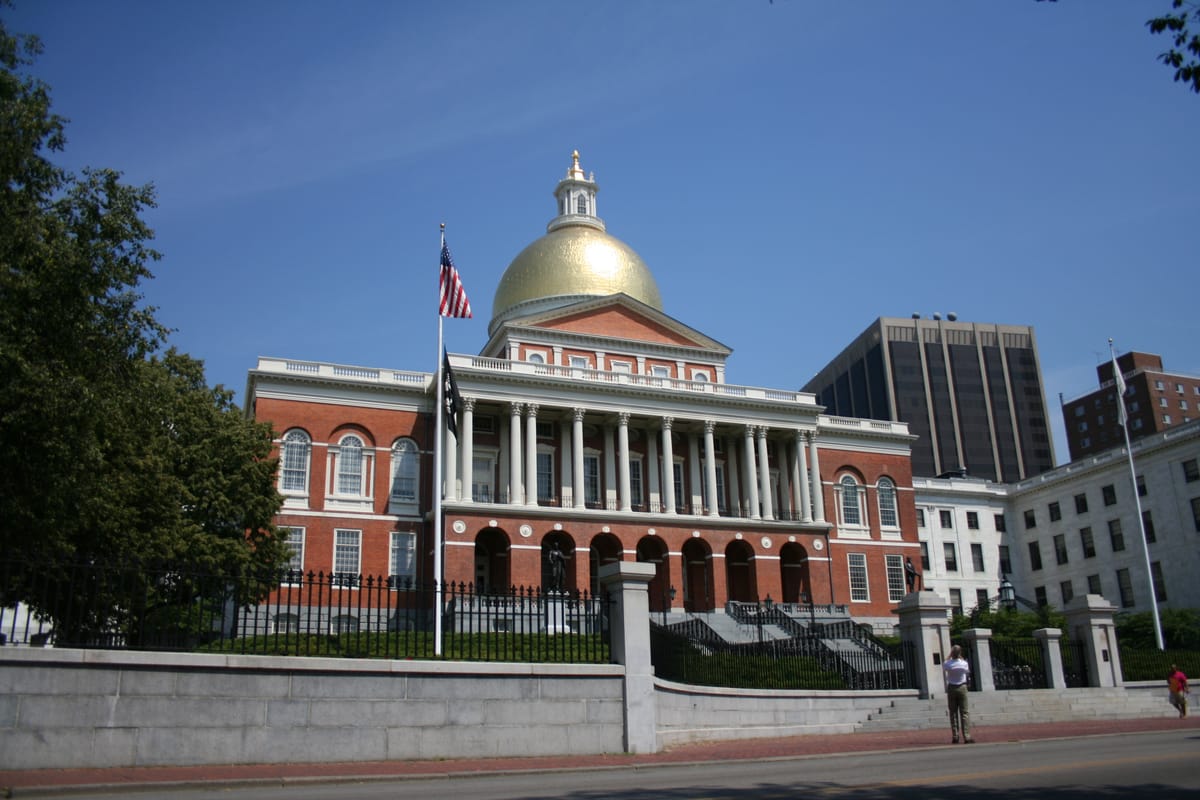
VOTERS IN MASSACHUSETTS could face a record 12 ballot questions in next year’s state election. But most of the questions still have to clear several hurdles before making it onto the ballot.
A major potential obstacle, one that has tripped up several would-be ballot referendums in recent years, is a court challenge that questions whether the measure, as crafted by proponents, can legally go before voters.
In 2024, Massachusetts stared down six potential ballot measures, four of which consumed the time of the Supreme Judicial Court for months and pushed a critical ruling on controversial state housing policy off to the next year.
Now the state could be heading toward an even messier collision of legal, legislative, and political forces.
As the secretary of state's office certifies hundreds of thousands of signatures submitted on behalf of the proposed 2026 ballot questions, campaigns and ballot initiative veterans estimate about half of the questions could be vulnerable to legal challenges, though not all may materialize.
It sets up a busy next year of stress testing through courts assessing whether measures are appropriate for the ballot, lawmakers weighing whether to preempt questions through compromise legislation, and campaigns shifting into high gear to make their case to voters. Housing policy, taxes, and government transparency are among the issues that hang in the balance.
Attorney General Andrea Campbell certified 44 potential questions earlier this year, and 11 campaigns confirmed to CommonWealth Beacon last week that they had secured enough signatures to clear the first threshold, sending the signatures to the secretary of state’s office for certification.
Massachusetts ballot campaigns that submit 74,574 certified signatures to the secretary of state’s office by December 3 will then be sent to the Legislature in January. While lawmakers consider whether to act on the ballot proposals, several may head for lengthy court fights.
Because ballot measures are blunt instruments, allowing voters only a yes or no vote, the questions cannot include separate and unrelated provisions. Other restrictions on ballot measures include petitions relating to the courts or judiciary, specific municipalities, certain parts of the state constitution, and some fiscal policy matters.
One measure is already on the road to legal challenge, though opponents usually wait to file with the court until the early months of the election year. Business and landlord groups are agitating against a ballot question that would impose statewide rent control, limiting annual rent increases to the rate of inflation.
This measure would permit an uncompensated taking of private property, which is not an appropriate matter for a ballot question, the conservative Fiscal Alliance Foundation argued in an objection to the attorney general’s certification.
Real estate industry groups told CommonWealth Beacon that they also would be considering taking the rent control matter to the high court.
"This is something we are taking very, very seriously," said Tamara Small, chief executive of industry group NAIOP Massachusetts. "So we are looking at this from every single angle. If we believe that there is a court challenge, that's something we'd certainly pursue."
Greg Vasil, CEO of the Greater Boston Real Estate Board, said, "We're doing everything that we can to minimize the risk to the members. This is uncharted territory on the legal side, so we have to look at every opportunity available to us.”
In recent cycles, the state’s high court has struck several potential ballot measures for flunking the so-called relatedness test.
In 2018, a first crack at what became the “millionaires tax,” or Fair Share Amendment, was broomed by the court for including too many unrelated provisions. Another version of the measure survived a court challenge four years later and was passed by voters into law.
The SJC heard challenges to four measures proposed for the 2024 ballot, with three on “relatedness.”
Those disputes swallowed months. When Attorney General Andrea Campbell sued Milton over the MBTA Communities housing law in February 2024, the SJC didn't schedule oral arguments until October. The delay stemmed partly from the court's ballot measure workload, justices said. Since opinions are generally issued about three months after oral arguments, a critical deadline for the housing law passed while justices deliberated.
Along with the brewing challenge to the rent control question, Andrew Farnitano, a strategist working on several campaigns, expects organized opposition to form if two tax-related ballot measures move forward, which could find its way to the courts.
The Massachusetts Opportunity Alliance is heading up ballot question campaigns to reduce the income tax and limit the amount of money Beacon Hill can collect and keep when revenues hit a certain threshold. Both would send shockwaves into the state budgeting process as officials work to fund health care, transportation, and other areas during a period of federal funding threats.
Opponents of a measure that would roll back the legalization of recreational cannabis – itself a ballot referendum almost a decade ago – are focusing their ire on claims of misleading signature gathering practices for now. Depending on whether the secretary of state’s office certifies the group’s signatures, the cannabis industry may pursue legal challenges down the line or focus on defeating the measure on the ballot.
For the 2026 cycle, Secretary of State William Galvin is not only responsible for overseeing the ballot referendum process as the state’s chief election official, he’s leading one of the ballot question campaigns. Galvin is pushing a ballot measure legalizing Election Day voter registration.
For any would-be ballot question, the Legislature has a certain window of time in which they can simply pass the measure into the law, preempting a ballot showdown.
Lawmakers are not responding eagerly to the workload.
Proponents say the jump in ballot measures, which would eclipse the previous nine-question record, signals disillusionment with the Legislature, which they say refuses to take up issues that have popular support when filed as bills. Legislative leaders instead decry it as a sign of intrusion into their work by special interests.
“Forty-four of them is a huge number of ballot questions. It makes you wonder: How easy is it for these special interest groups to go out and pay someone to get signatures?” House Speaker Ron Mariano said this week, referring to the original number of questions that were filed. “They design questions that support their topics or their personal interests.”
The signature-gathering process whittled the number of potential measures by three-fourths, but the Speaker said he wondered if the Massachusetts ballot system will start to look like California’s. Voters in the Golden State, well known for its penchant for lawmaking by ballot question, considered 11 statewide measures in 2024, plus specific municipal- and county-level questions.
The Legislature has until the first Wednesday in May if it wants to simply enact the ballot measure as written. Lawmakers last cycle created a new special committee to hold hearings and consider legislative action on the eight measures. They ultimately decided, as the high court deliberated, not to recommend legislative action on any of the ballot questions.
Ballot campaigns are marathons of public and private negotiations, and a flurry of challenges would slow the regular work of the courts and the Legislature alike, but horse-trading can last until the final signature submission deadline in July.
The final stretch can be a nail-biter — the SJC didn’t hand down its final word on the challenged ballot measures until June last cycle, just in time for one of the most controversial questions of the season to decide against going before voters because of a settlement in a completely different court case.
If the Legislature decides not to act, and the courts allow the measures to head toward the ballot, proponents and opponents battle it out on the campaign trail.
For some questions, though, an organized opposition seems unlikely to form.
Ballot efforts to subject the governor’s office and the Legislature to public records laws and to rein in legislative stipends both go after the insular ways of Beacon Hill – something generally popular with voters and unlikely to draw organized opposition. A recent Suffolk University/Boston Globe poll found more than 80 percent of respondents would support the public records change.
These efforts carry a strong echo of state Auditor Diana DiZoglio's successful ballot campaign last year seeking to audit the Legislature and, not coincidently, the crusading auditor has now turned her focus to leading the public records campaign.
Chris Lisinski contributed to this report.
This article first appeared on CommonWealth Beacon and is republished here under a Creative Commons Attribution-NoDerivatives 4.0 International License.