The 2022 Local Bylaw Change That's Changing the Way Business Is Done in Burlington
Experiential retail is rising in popularity. What is it, where is it, and what does its surge mean for Burlington's business landscape?

A subtle evolution is changing the way business is done in many of Burlington’s most popular destinations, and it’s all thanks to a bylaw update approved by Town Meeting in 2022.
This isn’t the first major transformation to Burlington’s commercial landscape, or the most visible. With the opening of Route 128 in 1951 and the Burlington Mall in the mid-60s, the sleepy town with a population just over 3,000 grew seven times over in just 20 years, reaching more than 22,000 by 1970 – and, thanks to the burgeoning technology industry, the daytime population was even higher.
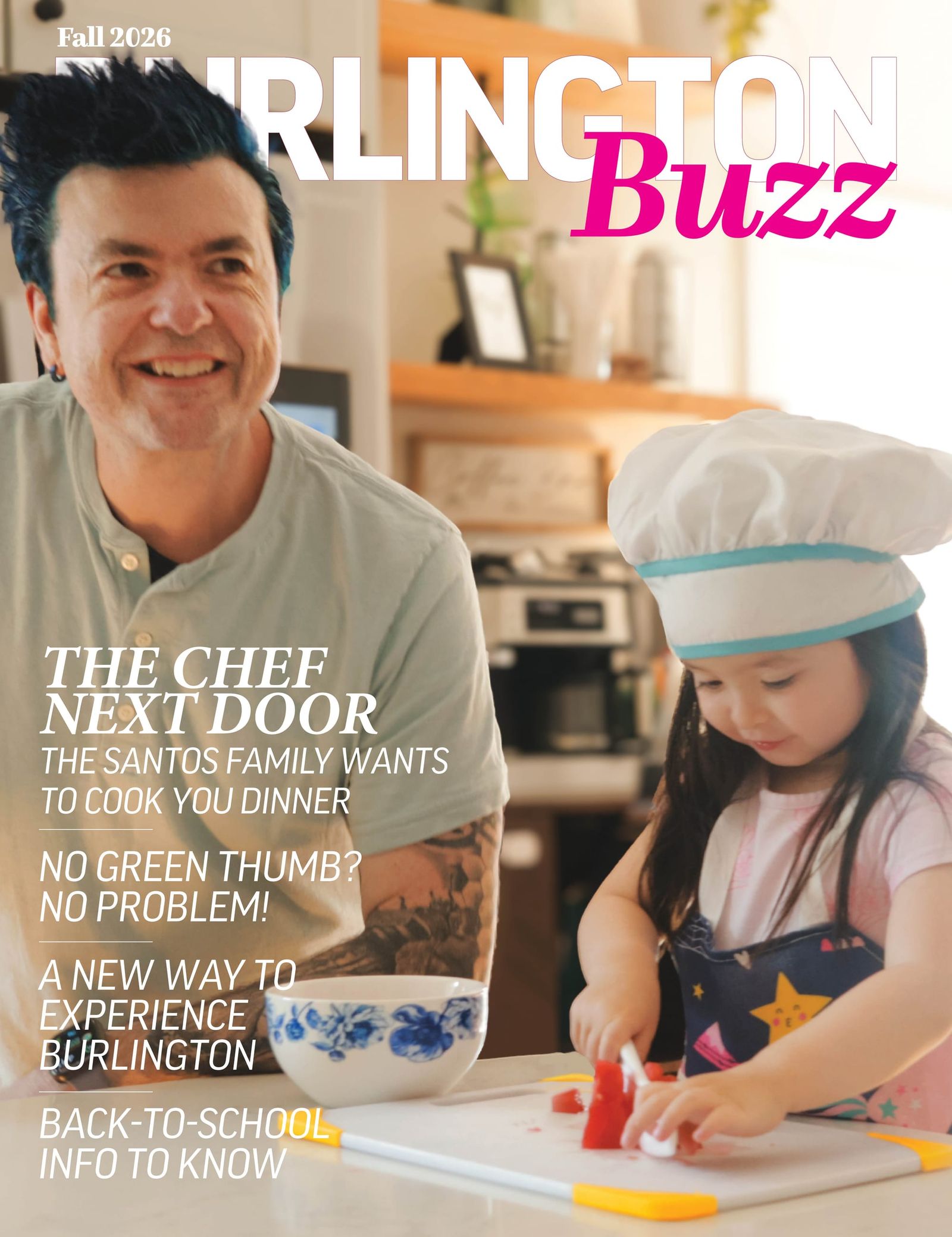
This story was featured in our Fall Magazine
Read our Fall 2026 issue today — now arriving in Burlington mailboxes.
With new employment opportunities and shopping options, the once-agricultural town became a retail and business hub within a generation. But zoning bylaws put into place around the time the mall opened stayed static while the town grew and developed around them.
A key part of the 2022 zoning bylaw update was the addition of the “Retail, Experiential & Commercial Interactive Venue” use, which paved the way for a new wave of in-person connection beyond the typical shopping transaction.
In the early 2010s, the first hint of this shift made it to the U.S. as escape rooms started opening. These themed rooms share a singular goal: Groups of guests, “locked” in a room, solve a series of puzzles that eventually (and hopefully within the allotted time) lead to the room’s exit. It’s fun, it’s engaging, and – most importantly – it’s not something you can do at home on your computer.
“Today’s customer is looking for reasons to spend time together, whether that’s dining, entertainment, wellness, or discovering something new,” said Burlington Mall General Manager Melissa Wicker. She said the mall has “intentionally evolved beyond just a place to shop,” pointing to the outdoor spaces where guests can play bocce ball or cornhole, engage in community programming, or just sit and socialize. Wicker said it’s important to create an experience that gives people a reason to visit the mall – and to return again and again.
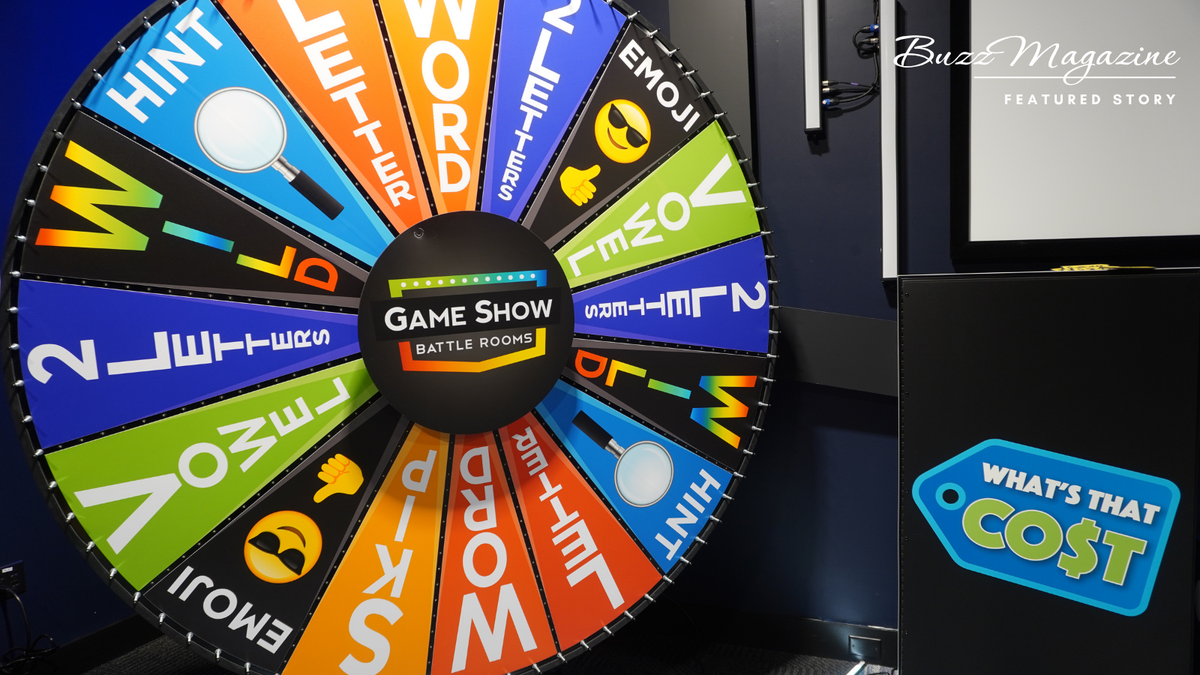
One new mall business that promises such an experience is the newly opened Game Show Battle Rooms, where groups compete in versions of familiar game shows like What’s That Cost? and Survey Battles. “The goal is that people start to feel like they’re leaving the reality where they live and they’re on the set of a game show,” said Director of Operations Tyler Donges.
Donges said GSBR was started by two friends bootstrapping in a Minnesota warehouse in 2016 and has since grown to more than 20 locations nationwide. “I want 100 groups in here who have a great show and go out and tell everybody,” said Donges.
With a full bar, a full kitchen, family-friendly content, and glitzy, glammed-up hosts adding to the experience, Donges said Game Show Battle Rooms is perfect for corporate team building, parties, or a fun time with friends and family. They can even serve events on location for up to 1,000 people.
On the mall’s upper level near Macy’s and Build-A-Bear, another experience awaits kids ages 2-12. Featuring an indoor playground and obstacle course suitable for younger kids, J7 Adventureland serves refreshments and has bar-style seating where parents can watch their kids play comfortably. The pricing model is time-based, with the option to buy tokens to use on popular arcade games like Mario Kart. General Manager Tatyana Groves said families like the convenience of being able to shop and play in the same space, and she enjoys the opportunity to get to know the regulars who come in with their kids weekly.

If you like being informed and connected to your community, sign up for the Daily Buzz newsletter now!
If you’re looking for something quiet and creative, Craft Loft may be more your speed. The store, which opened this spring on the mall’s lower level, offers workshops, parties, and walk-in activities alongside yarn, fabric, silk flowers, live succulents, and other crafting supplies for purchase. The idea for the store “came from wanting to scratch my own itch,” said founder Jen Gouldstone, a crafter who was looking for community, not just a place to buy supplies. “The people part is very important for us,” she said.
While these businesses and others like them offer different experiences, they have something in common: They all center around real-life experiences that bring people together. “The best experiential concepts don’t simply occupy space,” said Wicker. “They elevate the entire customer journey.” She added that experiential uses contributed to longer visits overall; that increased activity contributes to the economic health of the mall, which in turn supports the health of Burlington’s tax base.
Today when so much shopping, work, and social interaction happens online, Burlington Planning Director Liz Bonventre and Economic Development Director Melisa Tintocalis both welcome the experiential trend. “People are craving a third place,” said Bonventre, somewhere other than work and home where they can interact with other people in person.
Whether you’re locked in a room solving puzzles with strangers or picking out silk flowers at Craft Loft, the pitch is the same: Close the computer, put the phone down, and go be somewhere with somebody.